Introduction to the Washing Machine Gear Case
The washing machine gear case is one of the most important transmission assemblies used in semi-automatic agitator washing machines. Although it is installed beneath the wash tub and is rarely visible to the consumer, its performance directly affects washing movement, torque delivery, operating noise, energy transfer, service life, and overall appliance reliability.
In a semi-automatic washer, the motor normally operates at a relatively high rotational speed. The agitator, however, requires a controlled and comparatively low-speed movement with sufficient torque to circulate water and clothing. The gear case performs this essential conversion. Through a carefully designed combination of gears, shafts, bearings, seals, and housing components, it transforms motor rotation into the output motion required by the agitator.
A properly engineered gear case must do more than reduce speed. It must withstand repeated starting and stopping, fluctuating loads, water-related humidity, vibration, detergent exposure, and the mechanical resistance created by heavily loaded clothing. It must also preserve stable performance over a long operating period while remaining economical enough for mass-market washing machine production and replacement-part distribution.
The washing machine gear case supplied by Cixi Gaite Electric Co., Ltd. is designed around these practical requirements. It is intended for semi-automatic agitator washing machines and combines dependable torque transmission, durable construction, production consistency, and cost advantages. The design supports manufacturers and aftermarket customers seeking a reliable replacement or original equipment component without unnecessary complexity.
As demand continues for affordable and easily serviceable household appliances, transmission components must provide a balance between performance and manufacturing efficiency. A gear case that is too lightly built may wear prematurely, while an overly complex design may increase appliance cost and make maintenance more difficult. The product discussed in this article is positioned between these extremes, offering stable mechanical performance and a practical structure for long-term use.
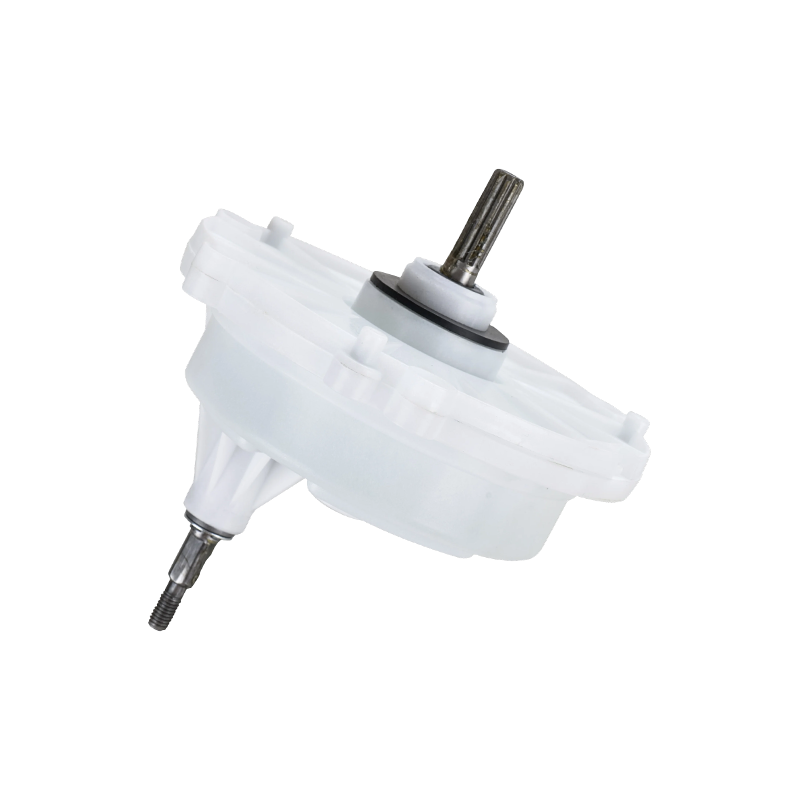
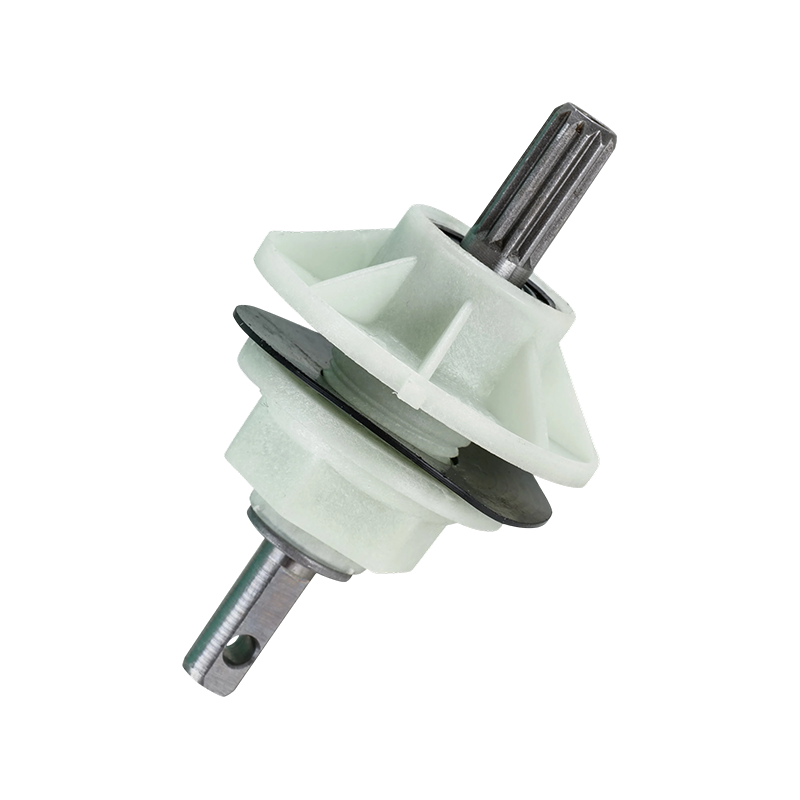
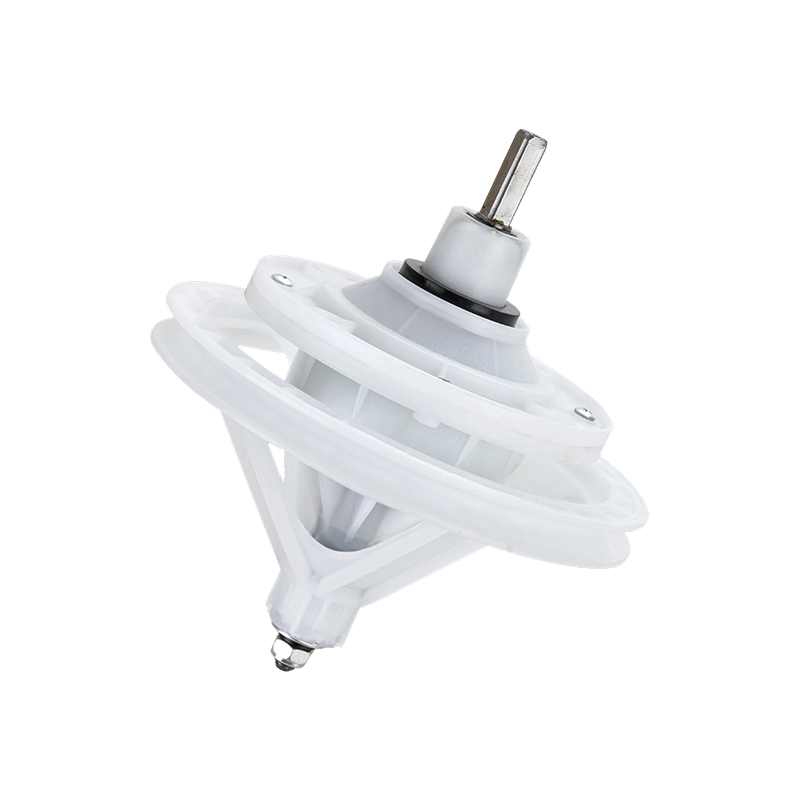
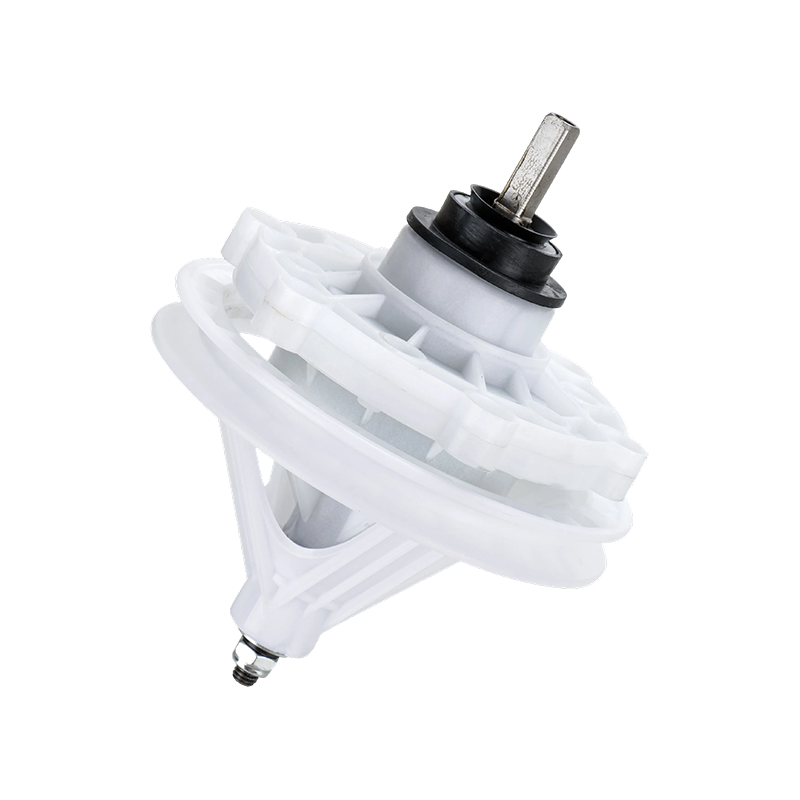
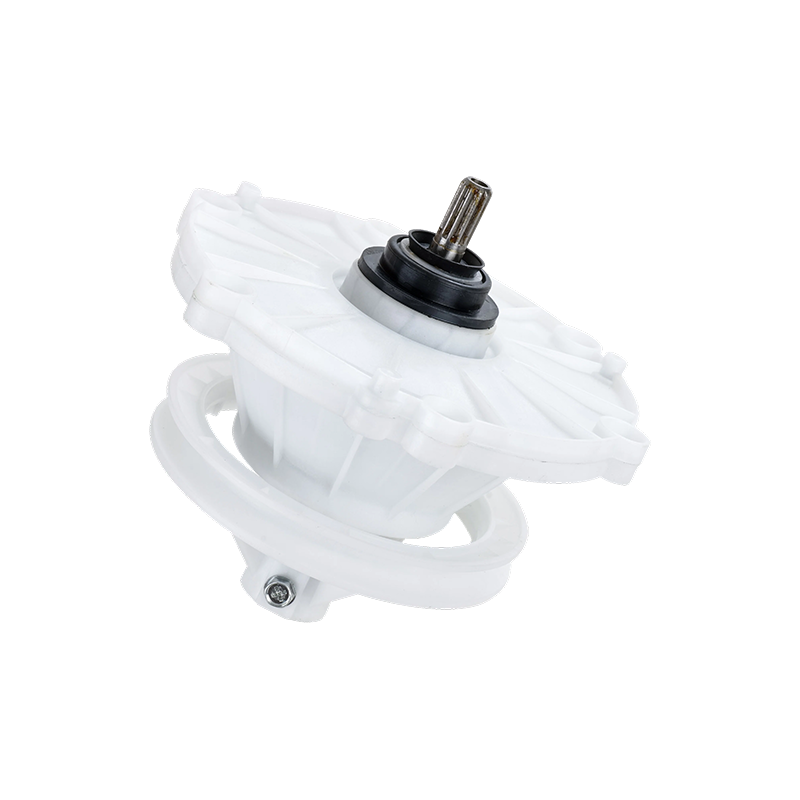
Washing Machine Gear Case
How the Gear Case Works in a Semi-Automatic Washing Machine
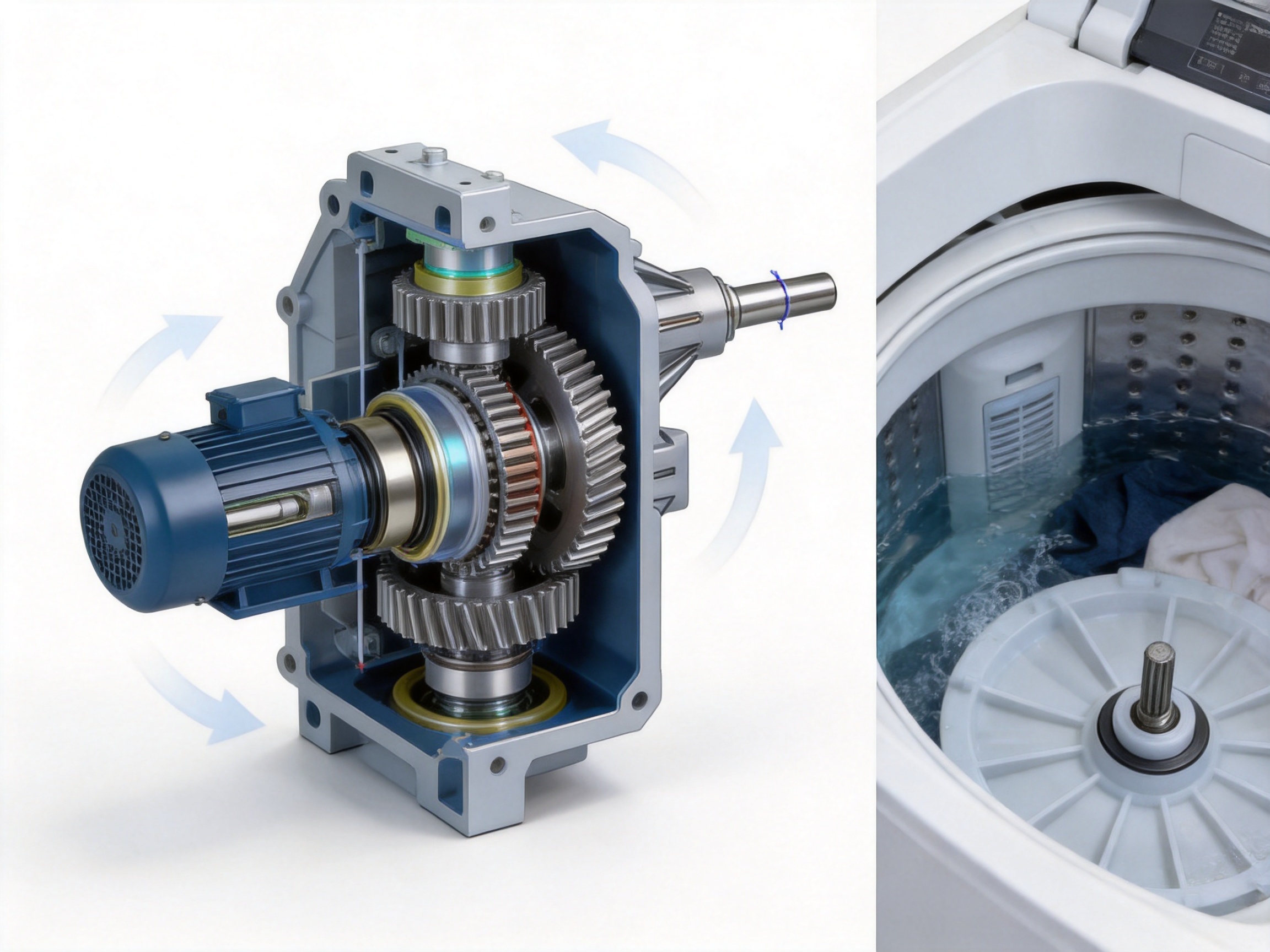
The basic operating principle of the gear case is speed reduction and torque multiplication. The washing machine motor produces rotation at a speed that is not directly suitable for the agitator. If the motor were connected directly to the agitator, the resulting speed would be too high, the movement would be difficult to control, and the available torque at the working point would not be appropriately distributed.
The gear train inside the case uses different gear sizes and transmission ratios to reduce rotational speed. When a small driving gear engages with a larger driven gear, the output rotates more slowly while producing greater torque. Additional gear stages may be used to achieve the required reduction ratio and output characteristics for the washing machine design.
The output shaft transfers this controlled motion to the agitator. During operation, the agitator moves clothes and water through a repeated washing pattern. This movement helps separate dirt from fabric, distributes detergent, and promotes water circulation through the load. The gear case must therefore provide consistent motion rather than simply rotating continuously at a reduced speed.
Depending on the washing machine configuration, the transmission assembly may also support specific oscillating or reversing actions. These actions create the mechanical rhythm associated with washing cycles. Repeated reversals place additional stress on gear teeth, shafts, bearings, and connection points, which makes material selection and manufacturing accuracy especially important.
Main Functional Elements
A typical washing machine gear case includes a housing, gear set, input shaft, output shaft, bearings or bushings, lubrication, sealing elements, and fastening components. Each part contributes to the overall operation of the assembly.
The housing maintains the alignment of internal parts and protects the transmission from external contamination. It must remain dimensionally stable under vibration and temperature changes. It also needs to support installation into the washing machine chassis or tub structure without excessive deformation.
The gears transmit the motor force from the input side to the output side. Their tooth profiles, surface finish, hardness, and dimensional accuracy affect noise, efficiency, wear, and service life. Even small dimensional variations can influence tooth contact and load distribution.
The shafts carry rotational loads and maintain the position of the gears. They must resist bending and torsional stress while maintaining accurate alignment. The output shaft is particularly important because it experiences the direct load generated by the agitator and the clothing inside the tub.
Bearings or bushings support rotating members and reduce friction. Their condition affects operating noise, heat generation, and resistance to rotation. Seals help protect the internal lubrication system from moisture while limiting lubricant leakage into surrounding areas.
Lubrication reduces friction between the moving transmission components and helps manage heat generated during operation. A stable lubrication arrangement is essential because the product may operate in a humid appliance environment and may be exposed to repeated daily cycles over an extended period.
Product Design Advantages
Stable Low-Speed, High-Torque Output
The central advantage of the gear case is its ability to convert high-speed motor rotation into controlled low-speed, high-torque output. This conversion enables the agitator to move a practical quantity of clothes and water without overloading the motor or creating uncontrolled mechanical movement.
Stable torque is important when the washing load is uneven or when the tub contains heavy fabrics that resist movement. A well-matched gear case helps the motor deliver useful mechanical force through the entire washing cycle. It also reduces the likelihood of performance fluctuations caused by changing load conditions.
Durability for Repeated Washing Cycles
Semi-automatic washing machines may be used frequently, particularly in homes, rental properties, dormitories, and commercial environments where economical appliances are valued. The gear case must therefore tolerate repeated acceleration, deceleration, reversing, and load changes.
The product is designed as a durable transmission component for long-term operation. Its structure supports the repeated mechanical demands of everyday washing while maintaining a practical cost level. The focus is not only on initial operation but also on consistent performance throughout the expected service period.
Suitability for Humid Operating Environments
Washing machines naturally operate in environments where humidity, water vapor, detergent residue, and occasional splashing may be present. Although the gear case is not intended to be exposed directly to standing water, its external and internal protection must account for the conditions surrounding the wash system.
A suitable housing, effective sealing arrangement, stable lubrication, and appropriate material control help reduce the risk of corrosion, lubricant contamination, and premature wear. These features are especially valuable in regions with high humidity or in installations where ventilation around the appliance is limited.
Practical Cost Performance
For appliance manufacturers, transmission parts must meet technical requirements without imposing unnecessary production costs. For distributors and repair professionals, replacement components must provide dependable performance at a competitive purchase price. The washing machine gear case addresses both requirements through a practical design and efficient manufacturing approach.
Its value is based on the relationship between durability, performance, manufacturing consistency, and serviceability. A lower purchase price alone does not represent good value if a replacement fails early or requires frequent adjustment. Conversely, a highly specialized transmission may exceed the technical needs of an economical semi-automatic appliance. The product aims to provide an appropriate balance for its intended application.
Compatibility with OEM and Aftermarket Requirements
The gear case can serve as a component solution for original equipment manufacturers, appliance assemblers, importers, distributors, and aftermarket repair channels. Customers may require components for new washing machine models, replacement programs, maintenance inventories, or private-label products.
OEM customers generally focus on dimensional compatibility, stable supply, quality systems, production capacity, and technical communication. Aftermarket customers often prioritize fit, reliability, availability, and cost. A manufacturer capable of supporting both channels can offer greater flexibility throughout the product life cycle.
Materials and Mechanical Construction
The performance of a gear case depends significantly on the materials selected for its internal and external parts. The material system must provide adequate strength, wear resistance, corrosion resistance, dimensional stability, and manufacturability. It must also be suitable for the intended production volume and target appliance price.
Gear Materials
Gear materials must withstand repeated tooth contact and fluctuating torque. The selected material and treatment process influence tooth durability, surface wear, noise, and resistance to deformation. Production controls are needed to ensure that the gear teeth have consistent dimensions and suitable surface characteristics.
In a washing machine transmission, the gears are not exposed to the same operating conditions as heavy industrial reducers, but they still experience frequent cyclical loads. The gear design must account for the specific torque, speed, reversing action, and duty cycle associated with semi-automatic washing.
Shaft Strength and Alignment
The input and output shafts must transmit torque without excessive twisting or bending. Shaft geometry, surface finish, bearing locations, and connection points all influence the performance of the assembly. Accurate shaft alignment reduces uneven loading and helps maintain consistent contact between mating gears.
The output shaft is subject to forces generated by the agitator. If the clothing load becomes unbalanced or unusually heavy, additional radial and torsional forces may be transmitted into the shaft and bearing system. A robust design helps the gear case tolerate these conditions without premature deformation.
Housing Protection
The housing provides structural support and environmental protection. It holds the gears and shafts in their required positions and helps maintain the relationship between internal components during operation. A stable housing also reduces vibration and limits the transmission of mechanical noise to the rest of the appliance.
The housing design must support reliable assembly. Mounting points, mating surfaces, sealing areas, and shaft openings require consistent dimensions. Poor dimensional control can lead to leakage, misalignment, installation difficulty, or abnormal operating noise.
Sealing and Lubrication
Sealing elements perform two complementary functions: they help retain internal lubricant and help prevent the entry of moisture or contaminants. The correct sealing solution depends on shaft dimensions, rotational speed, temperature, housing design, and the expected environmental conditions.
Lubrication must remain stable during repeated washing cycles. It should reduce friction and wear while remaining compatible with the internal materials and sealing components. Proper assembly and quality control are necessary to ensure that lubricant quantity and placement are consistent from one unit to the next.
Manufacturing Strengths and Production Capabilities
The quality of a gear case is determined not only by its engineering concept but also by the consistency of its manufacturing process. A well-designed component can still perform poorly if machining tolerances, heat treatment, assembly procedures, or inspection methods are uncontrolled. For this reason, the production capability of the supplier is a major purchasing consideration.
Cixi Gaite Electric Co., Ltd. operates a modern production base of approximately 10,000 square meters. The facility supports the research, development, manufacturing, assembly, and quality control activities required for washing machine transmission components. A dedicated production environment allows processes to be organized around the actual needs of gear reducers, gearboxes, synchronizers, P-shafts, and related parts.
High Level of In-House Material Production
Approximately 90 percent of the company’s core materials are produced in-house. This level of internal control can provide several advantages. It helps reduce dependence on fluctuating external supply, improves traceability, and allows material-related problems to be identified earlier in the production process.
In-house production also supports more consistent coordination between material preparation, machining, assembly, and inspection. When each stage is closely connected, process adjustments can be implemented more efficiently. This is especially useful for transmission parts, where material characteristics directly affect gear performance, shaft strength, and dimensional stability.
Advanced Machinery and Mature Processes
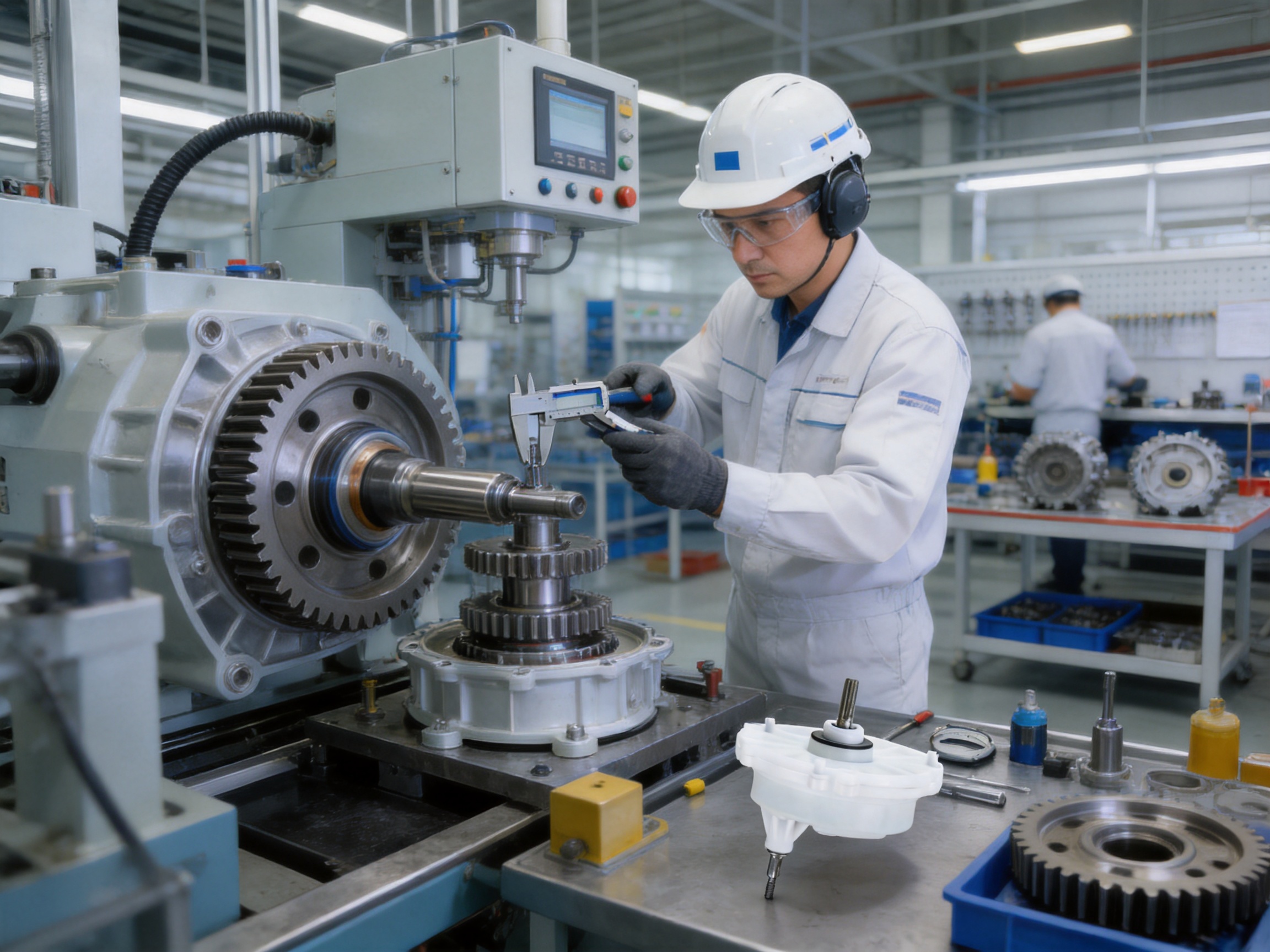
Modern machinery supports accurate and repeatable production of gear case components. Machining equipment must be capable of maintaining the required dimensions for gears, shafts, housings, bearing seats, sealing surfaces, and mounting features. Stable equipment performance is particularly important for components that must be interchangeable during replacement or assembly.
Mature manufacturing processes also reduce variation between production batches. Process instructions, tooling control, fixture design, work-stage inspection, and final testing work together to create predictable output. For OEM customers, process stability is often as important as the performance of a single sample.
The company’s manufacturing approach emphasizes efficiency, precision, and cost control. This combination enables the production of components suitable for high-volume appliance applications while retaining the quality requirements expected by international customers.
Process Integration
Integrated production can improve communication between engineering and manufacturing teams. Product specifications, tooling requirements, inspection standards, and assembly procedures can be reviewed as part of one coordinated workflow. This reduces the risk that a design will be difficult to produce or that manufacturing limitations will be discovered only after mass production begins.
Process integration is also valuable when customers request modifications. A change to an output shaft, mounting dimension, gear ratio, seal arrangement, or housing feature may affect several production stages. A supplier with connected technical and manufacturing capabilities can evaluate such changes more efficiently and provide realistic production guidance.
Quality Management Systems
The company has obtained ISO 9001 Quality Management System certification and ISO 14001 Environmental Management System certification. ISO 9001 reflects the importance of documented quality procedures, process control, corrective action, and continuous improvement. ISO 14001 demonstrates attention to environmental management and responsible operational practices.
These certifications do not replace product-specific testing, but they provide a structured framework for managing manufacturing activities. Customers can benefit from clearer procedures for supplier control, production records, inspection, nonconformance management, and customer feedback.
The products comply with RoHS requirements. This supports customers serving markets where restrictions on hazardous substances and environmental responsibility are important purchasing criteria. Compliance is particularly relevant for international OEM and aftermarket supply chains.
| Evaluation Area | Product and Manufacturing Value | Customer Benefit |
|---|
| Transmission function | Converts motor speed into controlled agitator torque | Reliable washing movement and effective load handling |
| Operating environment | Designed for humid washing machine surroundings | Improved resistance to moisture-related operating risks |
| Material control | Approximately 90 percent of core materials produced in-house | Better traceability and supply stability |
| Production base | Modern facility of approximately 10,000 square meters | Support for organized and scalable manufacturing |
| Quality systems | ISO 9001 and ISO 14001 certifications | Structured quality and environmental management |
| Compliance | RoHS-compliant product approach | Support for international market requirements |
| Customization | OEM and ODM development capability | Adaptation to different appliance platforms |
Testing and Quality Control Considerations
Reliable gear case production requires inspections at multiple stages rather than relying only on a final visual check. Incoming materials, machined components, treated gears, assembled units, sealing interfaces, and finished products should all be evaluated according to defined requirements.
Dimensional Inspection
Dimensional inspection confirms that critical features remain within specified tolerances. Important dimensions may include shaft diameters, gear centers, bearing seats, mounting holes, housing interfaces, sealing surfaces, and overall assembly dimensions.
Dimensional consistency is directly related to installation quality. Even a small variation at a mounting point or shaft interface can create misalignment, vibration, or difficulty during appliance assembly. Consistent inspection helps ensure that units remain interchangeable.
Gear and Shaft Inspection
Gear teeth should be checked for profile accuracy, surface condition, burrs, and visible damage. Shafts should be inspected for straightness, surface finish, key features, and connection dimensions. These checks help confirm that the transmission will operate smoothly and carry the intended load.
Inspection of gear and shaft components also supports process improvement. If repeated deviations are detected, the cause may be related to tooling wear, machine settings, material variation, or handling procedures. Corrective action can then be applied before the issue affects a large production batch.
Assembly Verification
Assembly verification confirms that gears, shafts, bearings, seals, fasteners, and lubrication have been installed in the correct sequence and orientation. Incorrect assembly can result in abnormal noise, excessive friction, leakage, or reduced service life even when every individual component meets its dimensional requirements.
Assembly procedures should be clear and repeatable. Work instructions, fixtures, torque control, visual standards, and operator training all contribute to consistent results. The use of organized assembly controls is particularly important when multiple gear case models are produced in the same facility.
Functional Testing
Functional testing may include rotation checks, noise observation, resistance measurement, leakage inspection, and other product-specific evaluations. The exact testing program depends on the customer specification and the intended washing machine application.
Functional testing provides an additional layer of protection because it evaluates the assembled transmission as a working unit. It can identify problems that may not be obvious during individual component inspection, such as misalignment, excessive friction, abnormal gear engagement, or seal-related issues.
Advantages over Less Specialized Alternatives
Customers may encounter several types of gear case suppliers, including general mechanical-part manufacturers, trading companies, low-cost workshops, and specialized washing machine component producers. The differences between these sources can affect long-term product performance and supply reliability.
Application-Specific Engineering
A supplier focused on washing machine components understands the operating patterns of agitator appliances. This includes the need for low-speed torque, reversing motion, compact installation, humid-environment durability, and economical production. A general-purpose gearbox may not be optimized for these combined requirements.
Application-specific experience also improves communication. Customers can discuss washing load, motor characteristics, agitator configuration, installation space, cycle pattern, and expected service life with a supplier familiar with the relationship between these factors.
More Consistent Supply than Uncontrolled Low-Cost Sources
A low initial price may be attractive, but inconsistent materials, changing subcontractors, and weak process documentation can create hidden costs. These costs may include assembly delays, higher warranty claims, emergency replacement orders, and repeated product validation.
Organized manufacturing, in-house material production, documented quality systems, and a modern production base help reduce these risks. They provide a more stable foundation for regular purchasing and long-term cooperation.
Better Support for Custom Requirements
Washing machine manufacturers may require a gear case with specific shaft dimensions, mounting features, reduction ratios, output characteristics, or sealing arrangements. A supplier with OEM and ODM capabilities can participate in the development process rather than offering only an unchangeable standard product.
Customization should be managed carefully. Any modification must be evaluated for mechanical strength, compatibility, production feasibility, testing requirements, and cost. A capable manufacturer can help identify which features can be adjusted and which design relationships must remain unchanged for safe operation.
Balanced Cost and Reliability
The best competitive advantage is not necessarily the lowest unit price. For transmission components, total cost includes purchase price, inspection, assembly, maintenance, replacement frequency, warranty exposure, inventory, and supply continuity.
A gear case that provides stable performance and predictable quality can offer a lower total cost over the life of the appliance. This is particularly important for manufacturers that sell large volumes or support products in markets where field service is expensive.
OEM and ODM Cooperation
OEM and ODM customers often require more than a catalog component. They may need engineering review, sample development, production validation, packaging coordination, documentation, and ongoing technical support. A structured cooperation process helps reduce risk from initial concept to mass production.
Requirement Review
The first stage is a review of the washing machine application. Relevant information may include motor power, motor speed, agitator size, washing capacity, output shaft dimensions, mounting structure, installation orientation, duty cycle, environmental conditions, and target service life.
Customers should also identify whether the product is intended for a new appliance, a replacement program, or an aftermarket application. Each use case may have different priorities. A new appliance may require complete integration with the chassis, while an aftermarket part may need to match an existing installation without modification.
Technical Confirmation
After requirements are collected, the supplier can confirm the transmission concept, interfaces, materials, sealing method, lubrication arrangement, testing plan, and applicable compliance requirements. Drawings, samples, specifications, and approval procedures should be aligned before production begins.
Clear technical confirmation reduces misunderstandings. It is especially useful when customers use different terminology for gearboxes, gear cases, reducers, transmissions, or drive components. A shared drawing and specification provide a more reliable basis for communication than product names alone.
Sample and Validation Stage
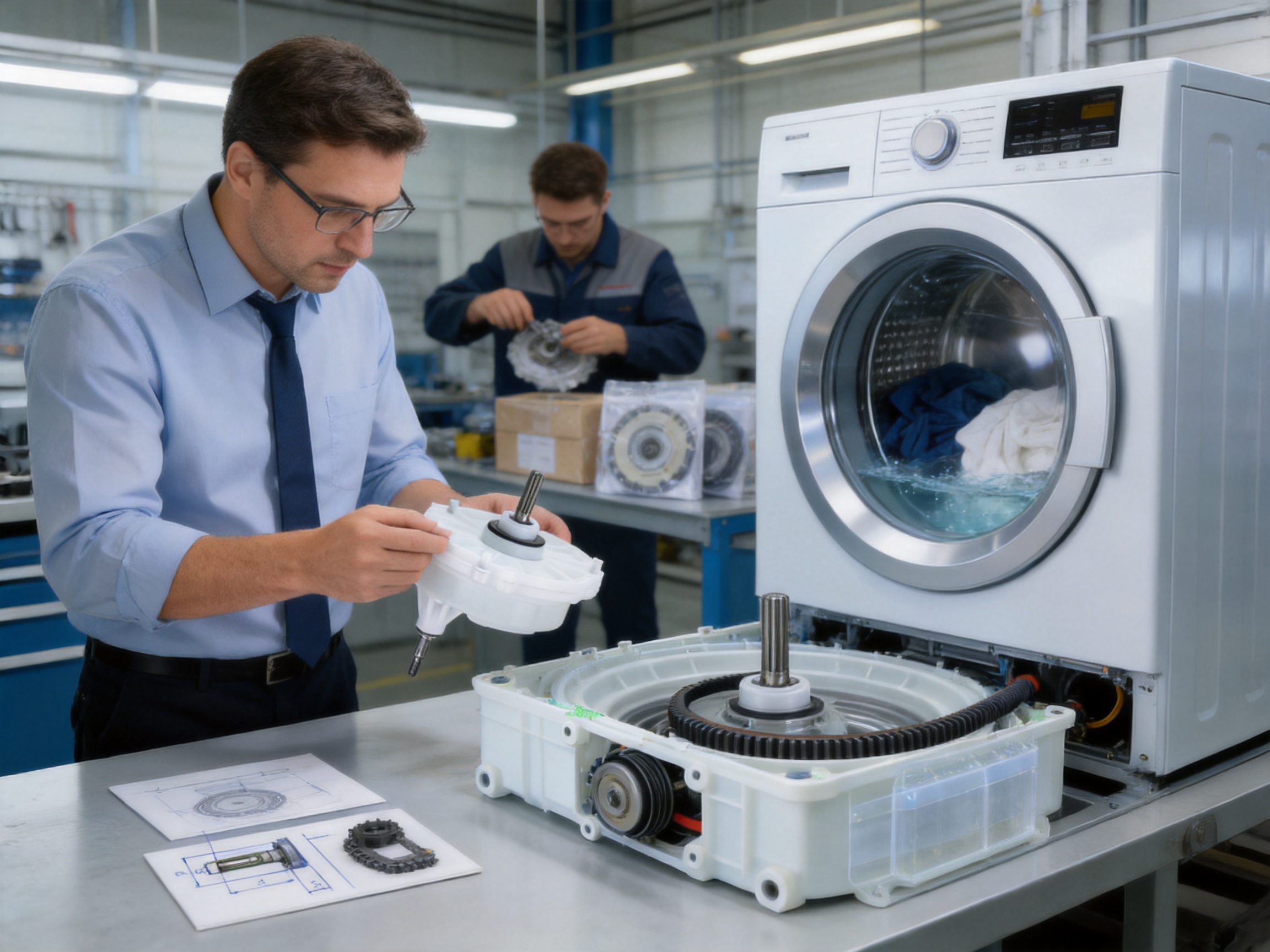
Samples allow customers to evaluate fit, output movement, installation procedure, noise, vibration, and compatibility with the washing machine system. If changes are required, they should be recorded and incorporated into updated technical documents.
Validation may involve laboratory testing, appliance-level testing, endurance cycling, environmental evaluation, or field trials. The depth of validation depends on the customer’s product strategy and risk requirements. A transmission part should be evaluated not only independently but also within the complete washing machine where practical.
Mass Production and Ongoing Improvement
Once the design is approved, production planning must ensure that materials, tooling, inspection methods, packaging, and delivery schedules are ready. Batch consistency should be monitored through process records and quality data.
Continuous improvement remains important after launch. Customer feedback, field performance, production data, and inspection results can identify opportunities to improve efficiency, durability, noise behavior, or installation convenience.
Applications and Customer Groups
The primary application for this gear case is the semi-automatic agitator washing machine. These appliances are widely valued for straightforward operation, economical ownership, and ease of maintenance. The transmission assembly is suitable for appliance manufacturers and assemblers seeking a dependable drive component for this product category.
Replacement-parts distributors can use the gear case to support repair networks and service centers. Because transmission failure may prevent the agitator from operating correctly, a reliable replacement unit can restore appliance function without requiring replacement of the complete washing machine.
Importers and private-label appliance companies may also benefit from a specialized supplier. Such customers often need competitive components, stable export quality, packaging support, and the possibility of adapting products to regional appliance designs.
Maintenance companies and repair professionals may evaluate the gear case based on installation compatibility, output shaft design, durability, and availability. For these users, clear technical information is essential because the correct replacement must match the washing machine’s mechanical interface.
Installation and Handling Recommendations
Correct installation is important for obtaining the intended performance of any gear case. Before installation, the technician should confirm the model, shaft dimensions, mounting arrangement, direction of installation, and compatibility with the washing machine motor and agitator.
The appliance should be disconnected from electrical power before work begins. The surrounding structure should be inspected for damage, corrosion, deformation, or accumulated detergent residue. If the supporting chassis or tub interface is damaged, installing a new gear case alone may not resolve the underlying problem.
During installation, shafts and seals should be protected from impact and contamination. Fasteners should be tightened according to the applicable assembly requirements. Excessive force, incorrect tools, or misaligned components may damage sealing surfaces, threads, bearings, or housing features.
After installation, the agitator should be checked for free movement before the washing machine is operated under load. A controlled test cycle can help identify abnormal noise, leakage, vibration, or irregular movement. Early detection makes correction easier and reduces the risk of secondary damage.
Storage conditions also influence component quality. Gear cases should be kept in a clean, dry environment and protected from unnecessary impact, dust, corrosive substances, and extreme temperature changes. Packaging should remain intact until the product is ready for installation.
Maintenance and Service Life
The gear case is designed as a durable component, but the overall service life depends on the operating conditions of the washing machine. Excessive overloading, repeated operation with an unbalanced tub, damaged seals, incorrect installation, and foreign-object interference can increase stress on the transmission.
Users should follow the washing machine manufacturer’s loading recommendations. Heavy or uneven loads can place additional forces on the agitator and output shaft. If abnormal sounds, oil leakage, slow agitator movement, or intermittent operation occur, the appliance should be inspected rather than operated continuously under suspected fault conditions.
Regular appliance maintenance can also protect the gear case. The tub, agitator, belt system, motor mounting, and electrical controls should remain in good condition. A belt that is too loose, a motor that is poorly aligned, or a damaged agitator can transfer abnormal loads into the transmission.
When service is required, technicians should use compatible replacement parts and follow appropriate safety procedures. A correct gear case can perform reliably only when it is installed in a mechanically sound appliance and operated within its intended application.
Why Choose a Specialized Washing Machine Component Manufacturer
Selecting a supplier for a gear case is a strategic decision because the component affects the reliability of the complete washing machine. A specialized manufacturer offers product knowledge that extends beyond general machining capability.
GAITE was established in 2002 in Ningbo, Zhejiang, China, and specializes in core washing machine components. Its product range includes washing machine parts, gearboxes, gear reducers, synchronizers, P-shafts, and related transmission products. This focused product direction allows the company to build experience around the specific mechanical and commercial requirements of the appliance industry.
The company has developed long-term partnerships with Sharp Corporation, Panasonic Corporation, and Midea Group. These relationships demonstrate experience in supporting recognized appliance businesses and working within structured customer requirements. Long-term cooperation also suggests the importance of dependable quality, communication, delivery, and continuous improvement.
With a production base of approximately 10,000 square meters and a high level of in-house core-material production, the company is positioned to support both regular manufacturing and customized development. Its ISO 9001 and ISO 14001 certifications, together with RoHS compliance, provide additional support for customers serving international markets.
The company’s stated operating principles include customer-focused service, technological innovation, consistent quality, and continuous improvement. These principles are relevant to gear case customers because successful transmission supply depends on more than a single shipment. It requires reliable product performance, responsive technical communication, stable production, and a willingness to improve when application requirements evolve.
Purchasing Checklist for Gear Case Buyers
Before selecting a washing machine gear case, buyers should confirm the intended appliance application and the mechanical interface. Important points include the motor connection, output shaft dimensions, mounting holes, housing size, agitator connection, rotation or oscillation requirements, and available installation space.
Buyers should request relevant technical documents, including product drawings, material information where applicable, quality standards, inspection requirements, packaging details, and sample approval procedures. These documents support internal engineering review and help avoid confusion during purchasing.
Supply capacity should also be evaluated. Customers may ask about production lead times, minimum order quantities, sample availability, material sourcing, batch traceability, and delivery planning. Stable supply is especially important when the gear case is used in a high-volume appliance program or a service-parts network.
Quality and compliance requirements should be defined before an order is placed. Customers may need ISO-related documentation, RoHS information, product inspection reports, or specific testing records. Early confirmation helps ensure that the supplier’s process and documentation match the customer’s market requirements.
Finally, buyers should evaluate communication and after-sales support. A gear case is a technical component, and questions may arise during installation, validation, or field service. A supplier with knowledgeable personnel and a clear response process can help reduce delays and improve cooperation.
| Buyer Question | Reason for Confirmation |
|---|
| Does the output shaft match the agitator? | Ensures correct mechanical connection and torque transfer |
| Are mounting dimensions compatible? | Prevents installation difficulty and misalignment |
| Is the gear case suitable for the motor? | Confirms that speed and torque requirements are matched |
| What quality documents are available? | Supports engineering approval and supplier evaluation |
| Can the product be customized? | Determines suitability for OEM and ODM projects |
| How are batches controlled? | Helps evaluate repeatability and traceability |
| What environmental requirements are supported? | Confirms suitability for target markets and applications |
Q&A: Washing Machine Gear Case
What is the main function of a washing machine gear case?
The main function is to convert the high-speed rotation of the washing machine motor into lower-speed, higher-torque output suitable for the agitator. It also supports the alignment, protection, lubrication, and controlled transmission of the internal mechanical components.
Which washing machines use this gear case?
The product is intended primarily for semi-automatic agitator washing machines. The exact compatibility depends on the motor connection, output shaft, mounting dimensions, agitator interface, and transmission requirements of the specific appliance.
Why does the agitator need low-speed, high-torque movement?
The agitator must move clothing and water through the wash load without rotating at the high speed produced by the motor. Low-speed, high-torque movement provides controlled circulation and helps the appliance handle fabric resistance and changing load conditions.
Is the gear case suitable for humid environments?
It is designed for the humid operating conditions commonly associated with washing machines. Housing protection, sealing, lubrication, material selection, and correct installation all contribute to reliable operation. The unit should still be protected from direct water exposure and improper installation.
Can the gear case be used as an aftermarket replacement?
It may be suitable for aftermarket replacement when its dimensions and performance characteristics match the original component. Buyers and technicians should confirm the model, shaft interface, mounting features, and appliance requirements before installation.
Does the manufacturer provide OEM and ODM services?
Yes. The manufacturer provides OEM and ODM solutions for washing machine gearboxes, transmissions, P-shafts, and other drive components. Customization should be evaluated through drawings, samples, technical confirmation, and validation testing.
What manufacturing strengths support product quality?
The company operates a production base of approximately 10,000 square meters, produces around 90 percent of its core materials in-house, uses advanced machinery and mature processes, and maintains ISO 9001 and ISO 14001 certifications. These capabilities support material control, process consistency, quality management, and production stability.
Does the product comply with environmental requirements?
The products comply with RoHS requirements. Customers with additional environmental or market-specific requirements should confirm the applicable documentation and testing expectations during the technical review stage.
How can buyers confirm compatibility?
Buyers should provide the washing machine model or technical drawing, motor information, agitator connection details, mounting dimensions, shaft measurements, and operating requirements. Comparing these details with the supplier’s product drawings and samples is the most reliable method of confirmation.
What symptoms may indicate a gear case problem?
Possible symptoms include abnormal mechanical noise, agitator movement that is weak or irregular, visible lubricant leakage, excessive vibration, failure to reverse correctly, or complete loss of agitator movement. These symptoms may also be caused by the motor, belt, controls, agitator, or mounting structure, so professional diagnosis is recommended.
Why is supplier experience important for this product?
A gear case must work as part of a complete washing machine system. A supplier with specialized experience understands the relationship between motor speed, torque, agitator load, housing design, sealing, vibration, and appliance assembly. This knowledge supports better product selection and more effective customization.
Conclusion
The washing machine gear case is a compact but essential transmission component. By converting motor speed into controlled low-speed, high-torque output, it enables the agitator to perform the repeated movement required for effective washing. Its design must address mechanical load, reversing cycles, vibration, humidity, lubrication, sealing, installation accuracy, and long-term service requirements.
The product described here offers a practical combination of durability, stable transmission performance, environmental suitability, and cost efficiency for semi-automatic agitator washing machines. Its value extends beyond basic speed reduction because it supports the complete operating function of the appliance.
The manufacturing strengths of Cixi Gaite Electric Co., Ltd. further support the product’s competitiveness. A modern production base, substantial in-house core-material production, advanced machinery, mature processes, OEM and ODM capability, ISO 9001 and ISO 14001 certifications, and RoHS compliance provide a structured foundation for reliable supply.
For appliance manufacturers, aftermarket distributors, importers, and service organizations, choosing a specialized washing machine component supplier can reduce technical risk and improve long-term purchasing confidence. When correct compatibility, controlled manufacturing, and application-specific engineering are combined, the gear case becomes a dependable foundation for economical and stable washing machine operation.
References
1. International Organization for Standardization. Quality Management Systems: ISO 9001 Principles and Process Approach.
2. International Organization for Standardization. Environmental Management Systems: ISO 14001 Framework and Continuous Improvement.
3. International Electrotechnical Commission. Household and Similar Electrical Appliances: General Safety Considerations.
4. American Gear Manufacturers Association. Fundamental Principles of Gear Design, Load Distribution, and Gear Tooth Durability.
5. RoHS Directive. Restrictions on the Use of Certain Hazardous Substances in Electrical and Electronic Equipment.
6. General mechanical engineering references covering gear reduction, torque transmission, shaft alignment, bearing support, sealing, and lubrication.
7. Product and company information supplied for the washing machine gear case and related washing machine drive components.

 English
 عربى



 +86-574-63256717 /63267914
info@gaite.cn
 gaite@gaite.cn
 No. 208 Miaoshan Road, Shiyan Village, Henghe Town, Cixi City, Ningbo City, Zhejiang Province, China
