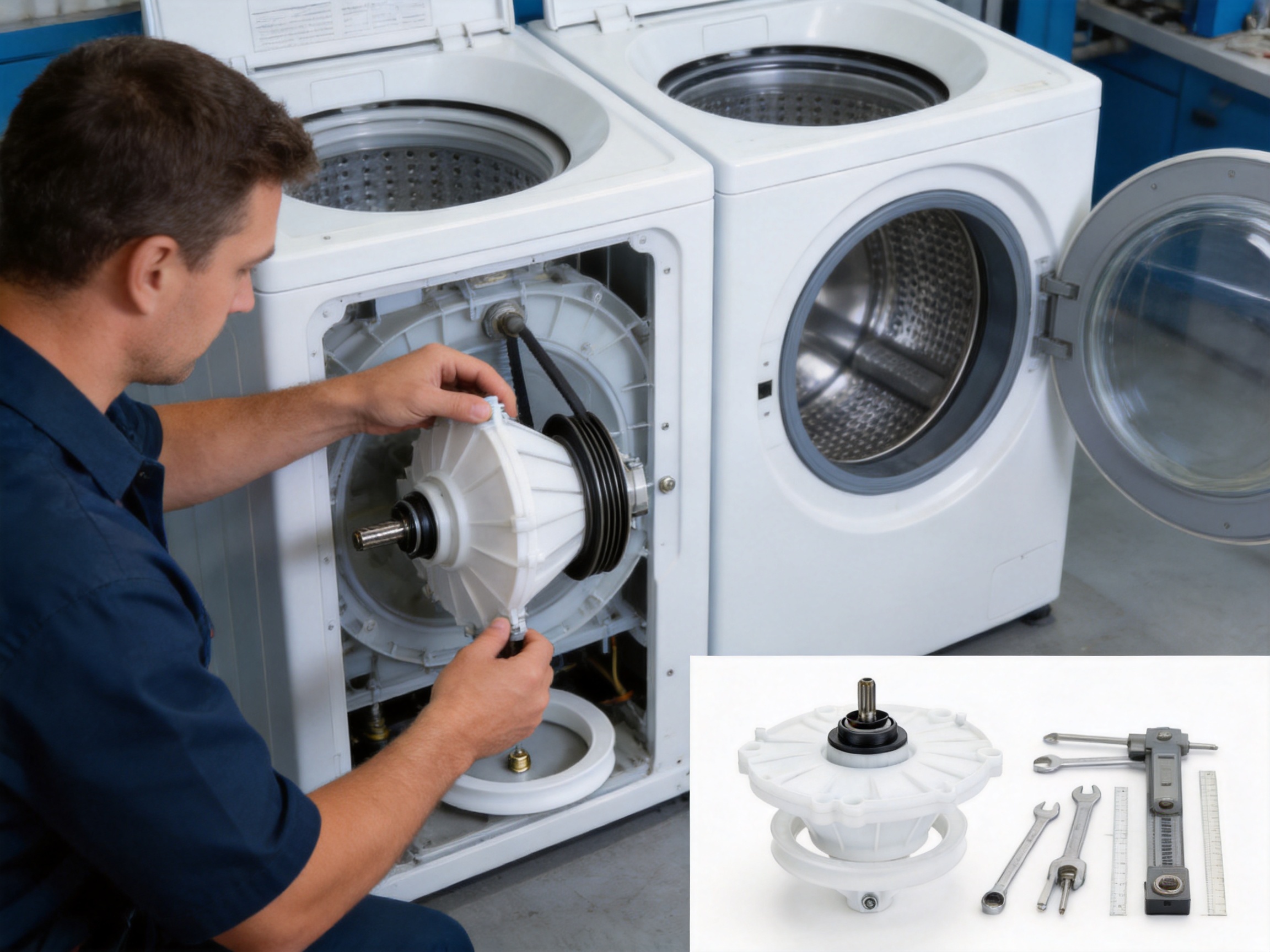
A twin-tub washing machine reducer is one of the most important mechanical components in a semi-automatic washing machine. Although it is installed beneath the washing tub and is not visible during normal operation, it directly influences washing performance, motor efficiency, operating noise, service life, and the overall reliability of the appliance. By transforming the motor’s high-speed rotation into a controlled, low-speed, high-torque output, the reducer enables the agitator or pulsator to move clothing and water effectively during the wash cycle.
Semi-automatic twin-tub washing machines continue to serve a wide range of residential and commercial users. They are valued for their straightforward structure, affordable purchase price, easy maintenance, low electronic complexity, and adaptability to different water and power conditions. In these machines, the drive system must perform consistently despite repeated starting, stopping, reversing, vibration, moisture, detergent exposure, and varying laundry loads. A properly designed reducer is therefore essential rather than optional.
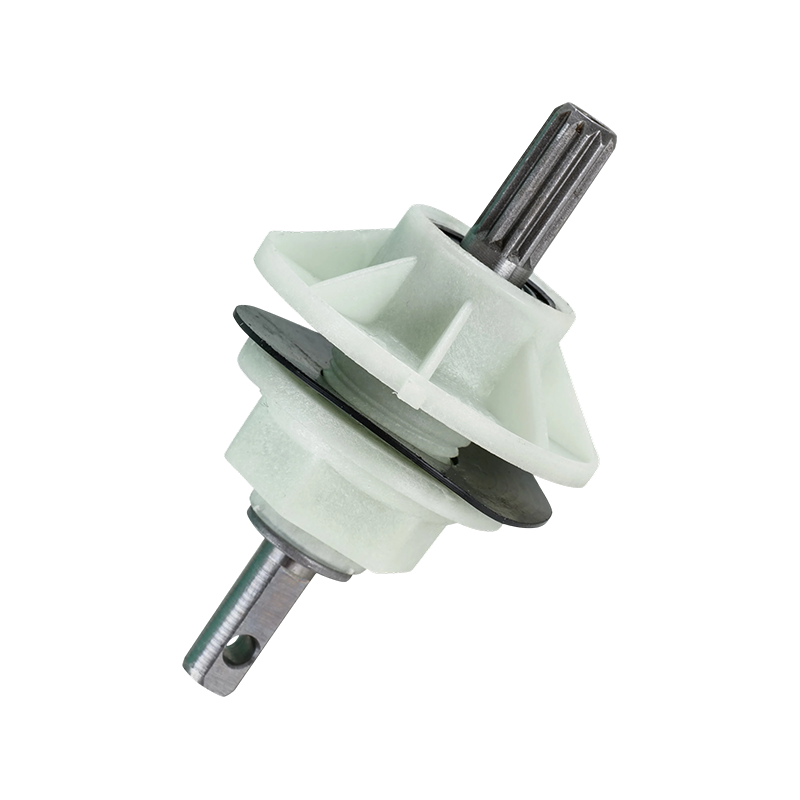
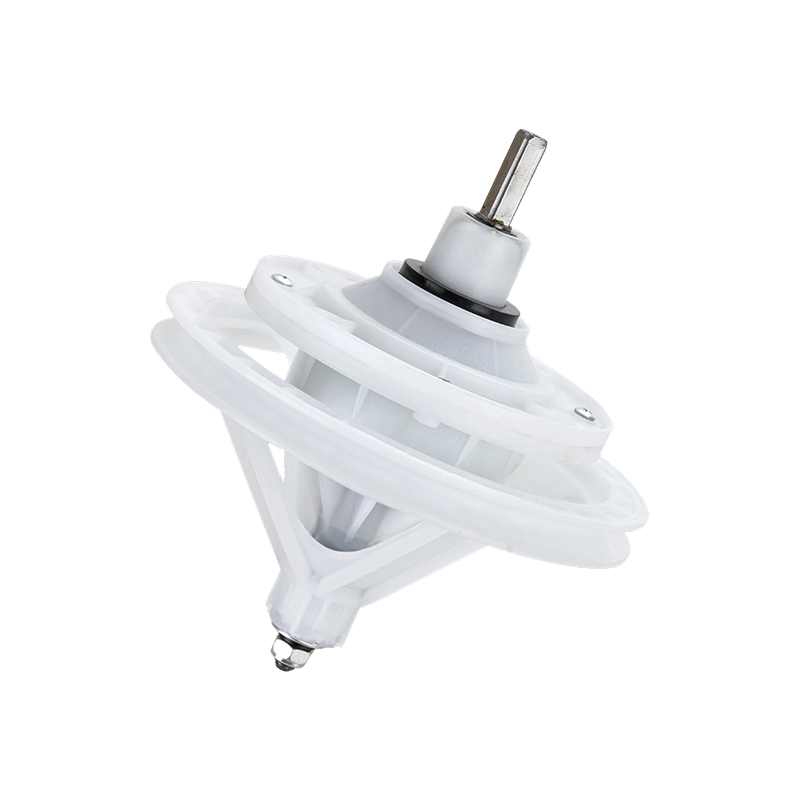
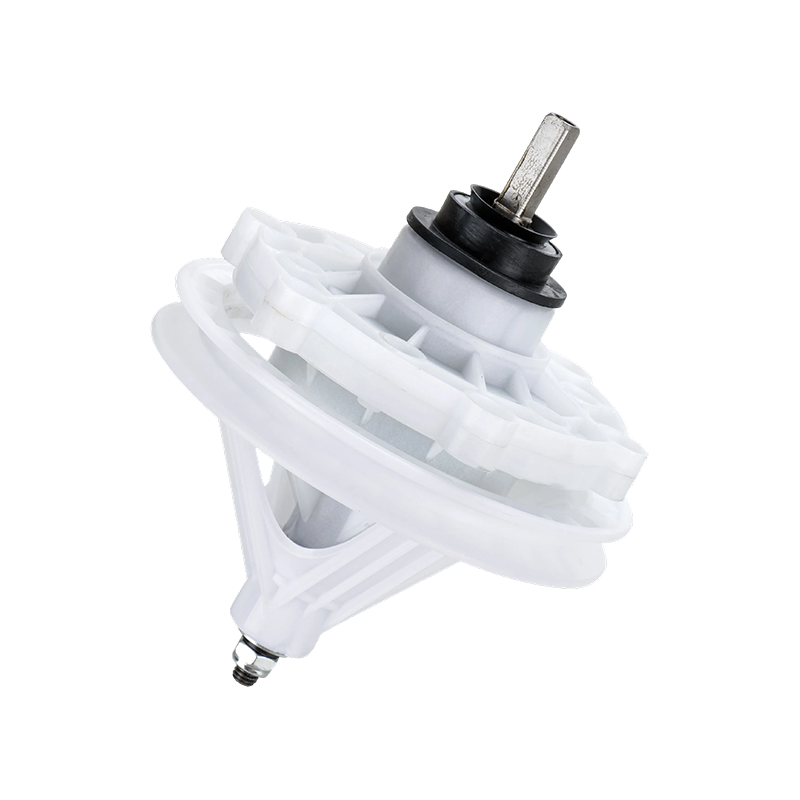
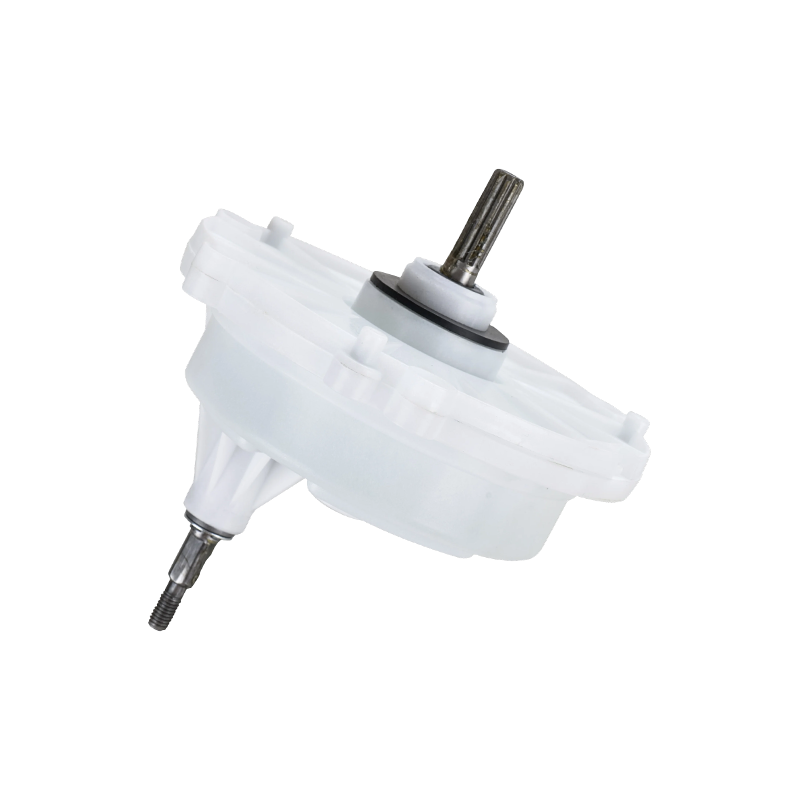
The Twin-tub Washing Machine Reducer is developed for this demanding operating environment. It combines a compact mechanical structure with stable gear transmission, suitable torque conversion, and dependable long-term operation. The component is intended for semi-automatic twin-cylinder washing machines and can also be considered for replacement, aftermarket repair, OEM production, and customized washing machine platforms.
What a Twin-Tub Washing Machine Reducer Does
The electric motor in a washing machine normally rotates at a speed that is too high for direct connection to the agitator. Direct motor output would make the agitator rotate too quickly, reduce available torque at the working shaft, create excessive mechanical stress, and make it difficult to achieve the controlled washing motion required for cleaning clothes. The reducer solves this problem through a series of carefully matched gears.
During operation, the reducer accepts high-speed input from the motor and delivers slower output rotation to the washing mechanism. At the same time, it increases the torque available at the output shaft. This conversion allows the pulsator or agitator to move water and garments with sufficient force while keeping the mechanical load within an appropriate range.
In a typical semi-automatic twin-tub machine, the wash side and spin side have separate functions. The wash side requires a strong, repeated motion capable of creating water circulation and fabric movement. The spin side requires controlled high-speed rotation for water extraction. The gearbox used for the wash mechanism must therefore prioritize torque conversion, smooth transmission, compact installation, and reliable operation under reversing or intermittent working conditions.
A reducer also helps protect the motor and other connected components. By controlling the relationship between motor speed and output speed, it reduces the risk of overload caused by sudden resistance from wet clothing, uneven distribution, or a heavily loaded tub. The result is a more balanced drive system in which the motor, gearbox, shaft, seals, and agitator can work together more effectively.
Core Product Characteristics
Low-Speed, High-Torque Output
The primary function of the product is to provide a low-speed, high-torque output suitable for washing action. Gear reduction makes it possible to convert motor power into the mechanical force needed to move water and textiles. This is especially important when the tub contains heavy, wet garments that create significant resistance.
Stable torque delivery supports effective washing without requiring an excessively powerful motor. For equipment manufacturers, this can help maintain a practical balance between washing performance, energy consumption, component cost, and machine size. For replacement users, a correctly matched reducer can restore the original mechanical performance of a twin-tub washing machine.
Stable Gear Meshing
Gear meshing is at the heart of reducer performance. The gears must transfer force smoothly while maintaining correct alignment and minimizing unnecessary friction. Stable meshing helps reduce vibration, noise, heat generation, and uneven wear. It also supports a more consistent output speed throughout the washing cycle.
The quality of the gear system depends on multiple factors, including tooth form, machining accuracy, material selection, surface condition, assembly precision, lubrication, and housing rigidity. A gearbox that appears simple from the outside still requires close process control to ensure that all internal components operate in harmony.
Compact Mechanical Design
A twin-tub washing machine has limited space beneath the washing tub. The reducer must therefore provide sufficient torque and strength without becoming unnecessarily large or heavy. A compact design simplifies installation and allows manufacturers to make efficient use of the appliance’s internal layout.
Compactness also benefits maintenance and replacement. When the mounting arrangement and shaft configuration are suitable for the target machine, technicians can remove the existing unit and install the replacement with fewer modifications. For OEM customers, a compact reducer can support flexible cabinet design and improve compatibility with different machine structures.
Suitability for Humid Operating Conditions
Washing machines operate in environments where water, moisture, detergent residue, and temperature changes are common. The reducer housing, sealing arrangements, lubrication system, and corrosion-resistant material choices must be considered together to protect the internal gear assembly.
The product is designed to operate reliably in the humid conditions associated with normal washing machine use. Proper installation remains important, because an incorrectly fitted seal, damaged housing, loose connection, or misaligned shaft can allow moisture to affect service life. Nevertheless, a reducer created specifically for washing machine applications offers a stronger starting point than a general-purpose transmission not designed for appliance use.
Reliable Performance During Repeated Cycles
Washing machines may start and stop frequently, and the wash mechanism may change direction as part of its normal operating pattern. This places repeated stress on the gears, bearings, shafts, housing, and fastening points. A washing machine reducer must be capable of handling these recurring loads rather than being optimized only for continuous one-direction rotation.
The Twin-tub Washing Machine Reducer is intended for long-term service in semi-automatic washing machines. Its value lies not only in its ability to transmit power, but also in its capacity to maintain dependable operation across many ordinary washing cycles when correctly matched, installed, lubricated, and maintained.
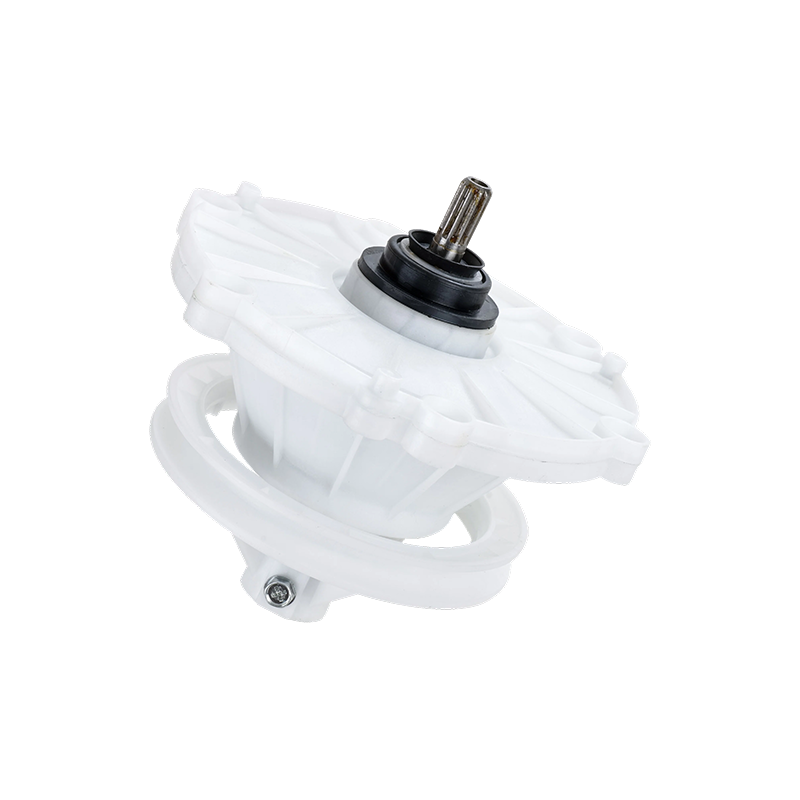
Twin-tub Washing Machine Reducer
Advantages Compared with Generic or Poorly Matched Alternatives
Not every gearbox can provide the same results in a washing machine. A generic reducer may have an appropriate nominal ratio but still fail to meet the practical requirements of appliance operation. Differences in shaft dimensions, mounting points, gear strength, sealing, lubrication, noise control, or reversing capability can cause poor performance or premature failure.
Application-Specific Engineering
A reducer intended for twin-tub washing machines is developed around the working conditions of that appliance category. The design considers the available installation space, typical motor connection, washing load, output shaft arrangement, intermittent duty, vibration, and exposure to moisture. This application-specific approach can provide a more reliable fit than adapting an unrelated industrial gearbox.
For OEM and replacement customers, application suitability is particularly important. A product may be mechanically strong but still unsuitable if its output shaft height, rotation direction, mounting pattern, or connection structure does not correspond to the washing machine. A washing machine component supplier with relevant experience can help customers confirm these details before production or replacement.
Balanced Performance and Cost
Semi-automatic washing machines are often selected because they deliver useful washing performance at an accessible cost. Their components must therefore provide dependable function without introducing unnecessary complexity or excessive expense. A well-designed reducer supports this balance by using a practical mechanical structure and focusing material and manufacturing resources on the areas that most directly affect service life.
Compared with highly complex electronic drive systems, a mechanical reducer can be easier to understand, repair, and replace. Compared with low-cost components made without adequate process control, a properly manufactured reducer can reduce the likelihood of noise, leakage, gear damage, and repeated service calls. The economic advantage is therefore measured not only by purchase price, but also by operating reliability and total ownership cost.
Improved Replacement Confidence
For the aftermarket, the most important question is whether a replacement reducer can restore the washing machine’s original function. A product designed for the relevant washing machine category gives distributors and repair professionals a clearer basis for selection. Correct product identification, dimensional confirmation, and connection verification remain necessary, but application-focused design can reduce the risk associated with unsuitable substitutions.
Replacement confidence is also supported by consistent production. If units supplied in different batches have noticeable differences in dimensions, shaft alignment, or gear operation, installation and inventory management become more difficult. Stable manufacturing processes help ensure that repeat orders meet expected specifications.
Support for OEM and ODM Projects
Washing machine manufacturers may need a standard component for an established model or a modified component for a new product platform. A capable supplier should be able to support both situations. Standard production can provide efficiency and predictable supply, while OEM and ODM cooperation can address customized shaft lengths, mounting details, gear ratios, housing arrangements, or other application requirements within feasible engineering limits.
Customization should begin with technical communication rather than assumptions. Drawings, sample units, installation dimensions, motor information, expected load, duty cycle, operating environment, and required performance should be reviewed before tooling or mass production. This process helps ensure that the final reducer is matched to the machine rather than selected only by appearance.
Manufacturing Strengths Behind the Product
The performance of a washing machine reducer depends on the complete manufacturing system behind it. Product design, raw materials, machining, heat treatment, assembly, lubrication, inspection, packaging, and customer support all influence the final result. A gearbox cannot be made reliable by one process alone.
Integrated Production Capability
The manufacturer operates a production base of approximately 10,000 square meters and produces around 90 percent of its core materials in-house. This level of internal production can provide better control over material consistency, processing schedules, quality checkpoints, and supply planning.
In-house production does not eliminate the need for external suppliers, but it can reduce dependence on uncontrolled changes in material or component availability. It also enables closer coordination between engineering and production. When a manufacturing team understands the material, machining, and assembly requirements of a component, it can respond more effectively to quality issues and customer-specific requests.
Research and Development Experience
Since its establishment in 2002, the manufacturer has focused on core washing machine components, including gear reducers and synchronizers. Long-term specialization in this field supports the accumulation of practical knowledge about washing machine transmission systems, common failure modes, installation requirements, and customer expectations.
Research and development in this product category involves more than creating a gear profile. Engineers must consider the relationship between the reducer and the motor, agitator, tub, belt or coupling system, seal, mounting structure, and control cycle. A change in one component can influence the load placed on another. Experienced product development teams are better positioned to evaluate these interactions.
Precision Machinery and Mature Processes
Modern production equipment contributes to accurate machining, repeatable assembly, and efficient output. For a reducer, process maturity is especially valuable because small variations can affect noise, backlash, friction, alignment, and gear life. Machining equipment must be supported by appropriate tooling, process instructions, inspection methods, and operator training.
Mature processes also improve production efficiency. When each operation is clearly defined and verified, the manufacturer can reduce unnecessary rework, maintain more predictable delivery schedules, and provide consistent products for both regular orders and replacement markets. Efficiency is important to customers because a reliable component must also be available when required.
Material Control
Gearboxes contain several materials with different functions. Gear components require suitable strength and wear resistance. Shafts must resist torsion and maintain dimensional stability. Housings need adequate rigidity and protection. Seals must support the control of lubricant and help limit the entry of moisture. Fasteners and auxiliary parts must remain secure during vibration and repeated operation.
Controlling a high proportion of core materials internally can help the manufacturer maintain consistency across these elements. Material identification, storage, processing, and inspection should be coordinated so that unsuitable or mixed materials do not enter production. This is particularly important for products supplied to OEM customers, who often require repeatable performance across many production batches.
Quality Management
The company has obtained ISO 9001 Quality Management System certification. A quality management system provides a structured framework for documentation, process control, corrective action, traceability, customer feedback, and continuous improvement. Certification alone does not guarantee that every individual product will be perfect, but it demonstrates that the organization has established formal quality procedures that can be audited and maintained.
For a washing machine reducer, quality management may cover incoming material inspection, dimensional verification, gear processing, component cleaning, assembly control, lubrication, sealing, finished product inspection, and packing. It can also support the handling of nonconforming products and the investigation of recurring issues.
Environmental Responsibility
The company has also obtained ISO 14001 Environmental Management System certification. Manufacturing involves energy use, metal processing, lubricants, packaging, and waste management. An environmental management system helps organize efforts to identify environmental impacts, comply with applicable requirements, improve resource efficiency, and reduce avoidable waste.
Environmental responsibility is increasingly important in international supply chains. Customers often evaluate not only the mechanical performance of a component, but also the supplier’s management practices, production stability, and ability to support responsible procurement. A supplier with established environmental procedures is better prepared to respond to these expectations.
Compliance with RoHS Requirements
The products comply with RoHS requirements. Restriction of hazardous substances is relevant to manufacturers selling components into markets where environmental and product safety regulations apply. Compliance helps customers manage their own regulatory responsibilities and supports more responsible material selection.
Customers should still confirm the specific compliance documentation required for their destination market and product configuration. Different applications may require additional declarations, testing, or documentation. Early communication helps ensure that the supplied reducer meets the complete compliance requirements of the finished washing machine.
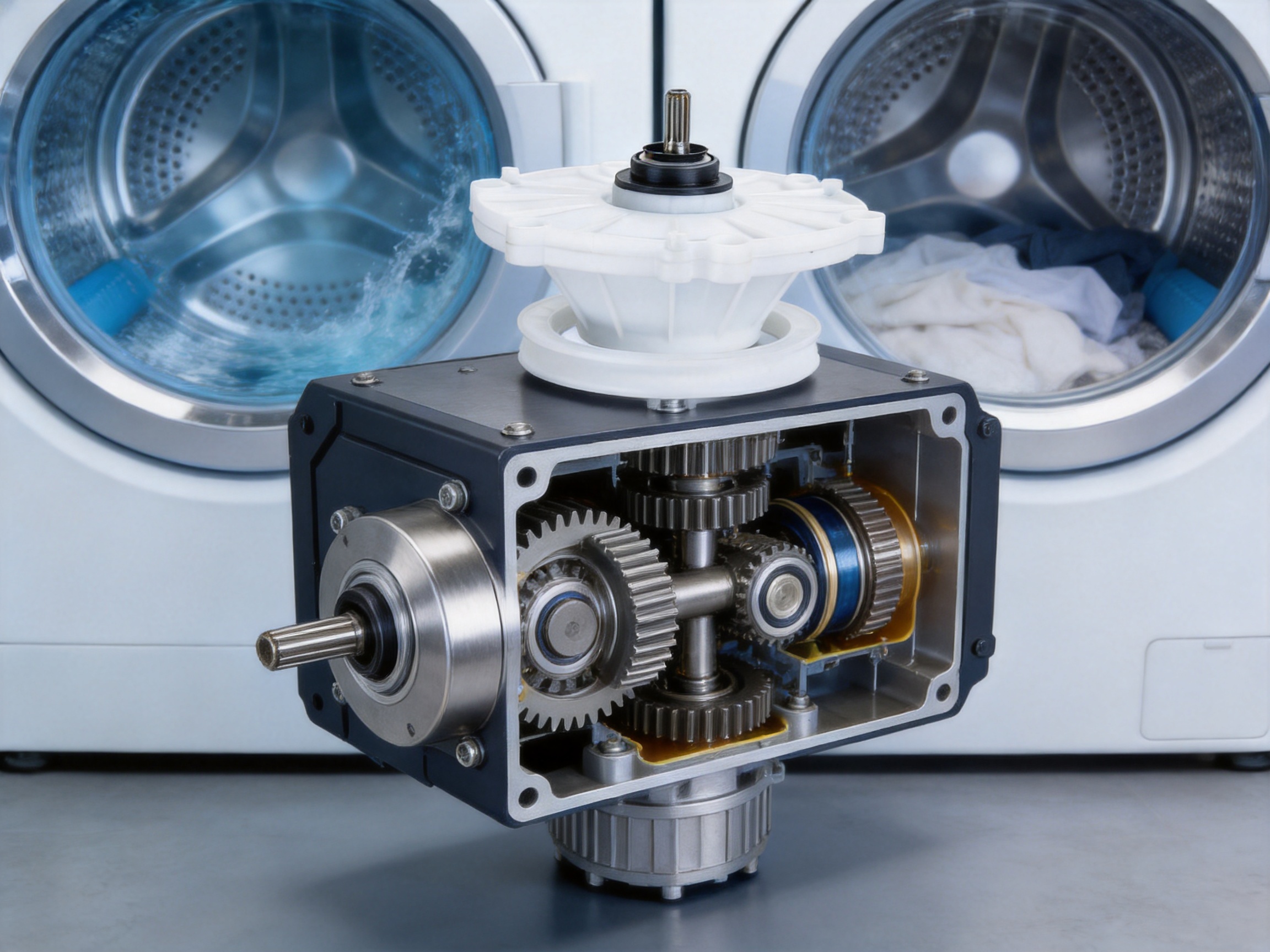
How the Reducer Supports Washing Performance
Cleaning performance depends on the interaction of water, detergent, fabric movement, time, and mechanical energy. The reducer contributes to this process by enabling the agitator to move at a practical speed with sufficient torque. If the output speed is too high, clothing may move aggressively without producing the intended circulation. If the torque is too low, the agitator may stall, slow down excessively, or fail to move a heavy load properly.
A stable reducer supports a predictable relationship between motor operation and agitator movement. This helps the washing machine create consistent water flow and fabric turnover. Effective movement can improve contact between detergent solution and clothing while helping loosen dirt during the programmed wash period.
The reducer also contributes to user comfort. Excessive vibration or mechanical noise may indicate poor alignment, gear backlash, worn bearings, inadequate lubrication, or an unsuitable transmission. Although the complete machine structure influences noise and vibration, a properly manufactured gearbox provides a more reliable foundation for quiet operation than a component with inconsistent internal geometry.
When the reducer delivers torque smoothly, the motor may experience fewer abrupt mechanical shocks. This can help the drive system operate more efficiently and may reduce stress on belts, couplings, pulleys, and electrical control components. The result is a better-balanced washing machine system rather than an isolated improvement in one part.
Important Technical Considerations for Buyers
Mounting Compatibility
Before ordering a reducer, buyers should verify the mounting hole arrangement, housing dimensions, shaft center height, fixing method, and available installation space. Even a high-quality product cannot be installed correctly if the mounting structure does not match the washing machine.
Manufacturers and distributors should compare technical drawings or samples rather than relying only on product names. A clear dimensional review can prevent unnecessary returns, installation delays, and modification costs.
Input and Output Connection
The input connection must correspond to the motor drive arrangement. Depending on the machine design, this may involve a pulley, belt, coupling, or another mechanical interface. The output shaft must also match the agitator or pulsator connection in terms of diameter, length, keyway, thread, splines, or other relevant features.
Connection details should be confirmed during the quotation or sample approval stage. When customization is required, customers should provide accurate drawings, photographs with dimensions, or physical samples. This information allows the engineering team to evaluate compatibility before production begins.
Rotation and Operating Cycle
Some washing machines use a reversing or alternating wash motion. The reducer must be suitable for the machine’s rotation pattern and load changes. Buyers should identify the motor direction, operating frequency, starting conditions, and expected duty cycle.
A component that performs well under continuous one-way rotation may not deliver the same service life under repeated reversal. The supplier should therefore understand how the reducer will be operated rather than evaluating it only by static dimensions.
Load and Capacity
Washing capacity, fabric type, water level, and user habits all influence the mechanical load. Heavy blankets and densely packed clothing can place greater stress on the agitator and reducer than ordinary garments. The selected component should be appropriate for the intended machine capacity and operating conditions.
When developing a new washing machine, the reducer should be evaluated together with the motor and agitator. Increasing the motor power without checking the gearbox, shaft, housing, and mounting structure may create an unbalanced system. Proper matching is essential for long-term reliability.
Lubrication and Sealing
Lubrication reduces friction between moving components and helps control wear and heat. The correct lubricant, quantity, and filling method are important. Too little lubricant can increase friction and wear, while excessive or unsuitable lubricant may affect sealing, resistance, or assembly cleanliness.
Sealing is equally important because the reducer operates near water and detergent. During installation, technicians should avoid damaging seals or applying excessive force to the shaft. The surrounding tub and drainage arrangement should also be checked so that water is not directed toward the gearbox connection.
Packaging and Transportation
Reducers contain shafts and accurately assembled internal parts that should be protected during transportation. Suitable packaging helps prevent impact damage, contamination, moisture exposure, and deformation of connection points. For export orders, packaging should be considered in relation to handling, storage duration, container loading, and destination climate.
Clear labeling and batch identification also assist warehouse management and after-sales service. Customers handling multiple models should maintain accurate records so that the correct reducer is supplied to each machine.
Manufacturing Process Overview
The exact process sequence may vary according to product configuration, but the production of a reliable washing machine reducer generally includes several controlled stages.
Design and Process Planning
Production begins with a review of the application requirements. Engineers evaluate the required reduction function, installation dimensions, output connection, expected load, operating cycle, and material requirements. Drawings, process documents, inspection standards, and production tooling are then prepared.
For customized products, this stage may include sample comparison, three-dimensional modeling, prototype evaluation, and design review. Resolving potential interference or dimensional problems before mass production is more efficient than correcting them after assembly.
Material Preparation
Core materials are identified and prepared according to the approved design. Material control includes verification of specifications, storage conditions, and traceability. Components that require machining are prepared with suitable allowances so that later processes can achieve the required dimensions.
Internal control of a substantial proportion of core materials can support a stable production schedule. It also makes it easier to coordinate material planning with customer orders and forecast demand.
Gear and Shaft Machining
Gear components and shafts are manufactured using processes appropriate to their geometry and performance requirements. Key considerations include dimensional accuracy, concentricity, surface finish, tooth consistency, and fit with adjacent parts. Machining must be controlled so that the gear assembly operates smoothly after installation.
Where applicable, additional strengthening or surface treatment may be used to improve wear resistance and service performance. The suitable process depends on the material, geometry, load, and product specification. These details should be confirmed through engineering evaluation rather than assumed to be identical for every reducer.
Housing Processing
The housing provides structural support and maintains the relative position of the internal gears, shafts, and bearings. Its dimensions and rigidity influence alignment, noise, sealing, and mounting stability. Housing processing must therefore control critical bores, fixing points, sealing surfaces, and mating faces.
A housing that is not sufficiently accurate can create problems even when the gears themselves are well made. For this reason, housing inspection is an important part of the overall quality process.
Cleaning and Assembly
Before assembly, machined parts should be cleaned to remove chips, dust, processing residue, and other contaminants. Clean assembly helps protect gears and bearings from premature wear. Components are then installed in the correct sequence, with attention to alignment, fastening torque, seals, and internal clearances.
Assembly personnel require clear work instructions and suitable tools. Mistakes such as reversed parts, incomplete seating, damaged seals, incorrect fastener tightening, or inadequate lubrication can affect product performance. Process control at this stage is therefore essential.
Lubrication and Sealing Inspection
After the internal components are assembled, the specified lubricant is added in the required quantity. Seals and sealing interfaces are checked to confirm proper placement and condition. The objective is to support smooth operation while limiting the risk of lubricant leakage or moisture entry.
Finished Product Testing
Finished reducers may be checked for appearance, dimensions, rotation resistance, noise, leakage, shaft movement, and other requirements defined by the product specification. Testing helps identify assembly errors and abnormal mechanical conditions before shipment.
Inspection results and production records can provide valuable information for continuous improvement. If a recurring issue appears, the manufacturer can review materials, tooling, machining, assembly, or storage conditions to identify the root cause.
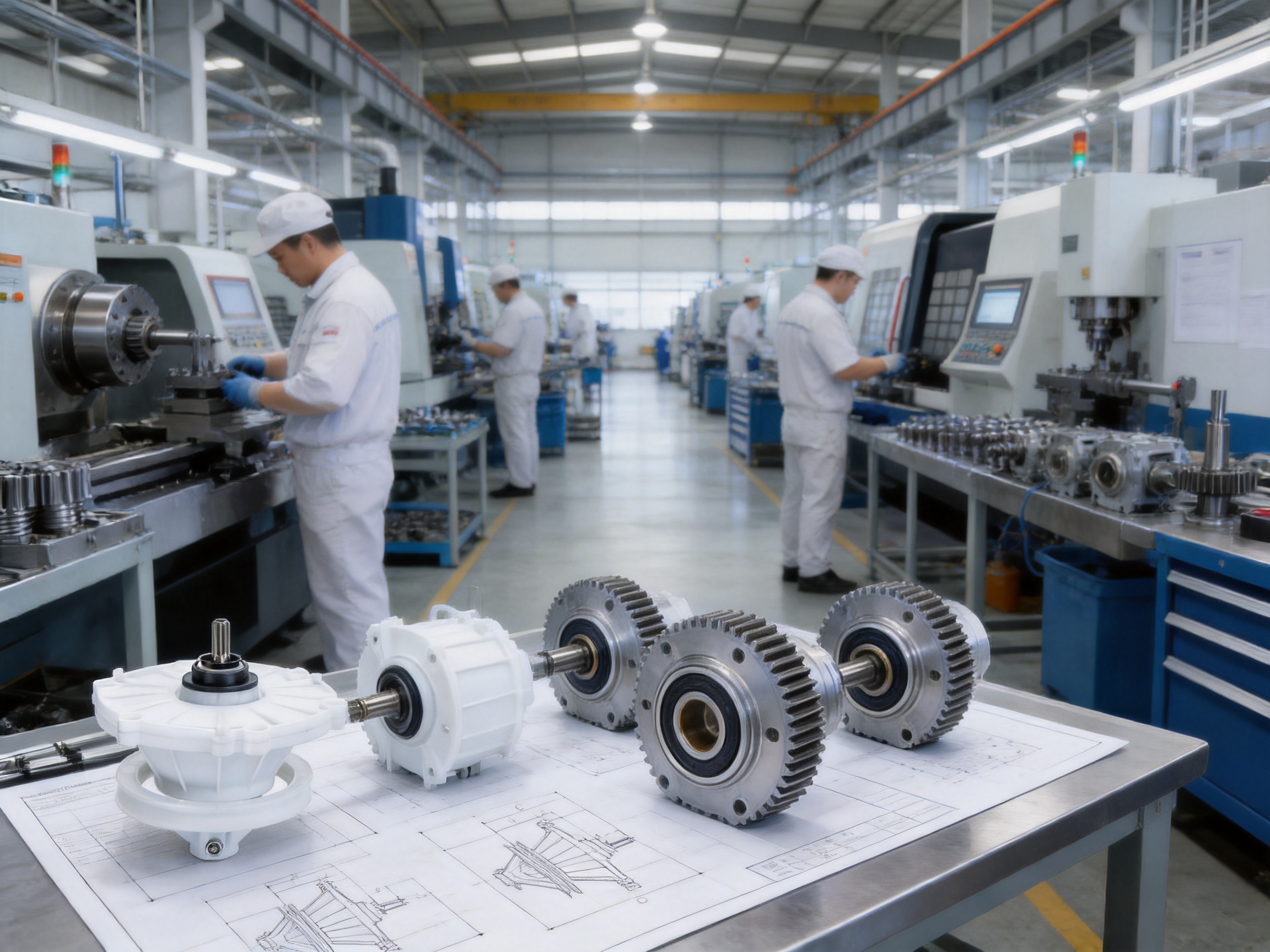
Quality, Durability, and Service-Life Factors
Durability is influenced by both product quality and operating conditions. A well-made reducer can provide long service when the washing machine is correctly designed and maintained, but misuse can still shorten its life. Overloading the tub, allowing severe imbalance, operating with damaged belts, or permitting water to enter the gearbox area can increase mechanical stress.
Correct installation is the first practical requirement. The reducer should be mounted securely, with the shaft aligned to the agitator or pulsator. Fasteners should be tightened appropriately, and connected components should rotate without excessive resistance. If the machine produces unusual noise, vibration, leakage, or repeated tripping after installation, operation should be stopped for inspection.
Periodic maintenance may include checking mounting points, belt tension where applicable, shaft connections, signs of leakage, and the condition of surrounding components. Maintenance requirements vary by machine design, so the washing machine manufacturer’s instructions should be followed.
The reducer’s service life is also influenced by the consistency of the manufacturing process. Accurate gears, suitable materials, controlled assembly, and effective inspection work together to reduce premature failure. This is why a supplier’s production capability matters as much as the visible appearance of the finished product.
Benefits for Different Customer Groups
For Washing Machine OEMs
OEM manufacturers need components that can be integrated into production lines and supplied consistently over time. A specialized reducer supplier can support design verification, sample development, production planning, quality documentation, and repeat orders. Stable dimensions and predictable performance simplify machine assembly and reduce the risk of line interruptions.
OEM customers may also benefit from technical customization. If a standard product does not meet a particular cabinet design or motor arrangement, the supplier can review whether a modified solution is feasible. Cooperation at the engineering stage can help optimize the complete drive system.
For ODM and Product Development Teams
ODM projects often involve new washing machine designs or adaptations for different markets. The reducer may need to meet specific space, cost, torque, noise, or connection requirements. Early collaboration allows the gearbox to be considered as part of the whole machine rather than added after the main design is complete.
Development teams should provide clear performance targets and test conditions. This may include intended washing capacity, motor characteristics, operating cycle, ambient conditions, and expected service life. The more complete the input information, the more effectively the supplier can assess the product.
For Distributors and Importers
Distributors require dependable products, clear model identification, stable supply, and responsive communication. A manufacturer with a focused product range and internal production capability can make inventory planning easier. Consistent packaging and technical information also help distributors serve repair shops and appliance retailers.
Because washing machine models vary by market, distributors should maintain compatibility records and confirm dimensions before recommending a replacement. A product data sheet, technical drawing, or sample comparison can reduce errors in the sales process.
For Repair Professionals
Repair professionals value components that are straightforward to identify and install. A suitable reducer can restore washing performance without requiring extensive modification to the machine. Before replacement, the technician should compare the old and new components, inspect the motor and belt or coupling system, and identify the original cause of failure.
Installing a new reducer without correcting an overloaded motor, damaged bearing, misaligned shaft, or leaking tub may lead to repeated failure. A complete diagnosis protects both the replacement part and the customer’s appliance.
Comparison of Selection Priorities
The following table summarizes the main factors buyers should consider when comparing a washing machine reducer with generic or poorly matched alternatives.
| Selection Factor | Application-Focused Reducer | Generic or Poorly Matched Alternative | Customer Benefit |
|---|
| Application design | Developed for semi-automatic twin-tub washing machines | May be designed for unrelated machinery | Better suitability for appliance operating conditions |
| Torque conversion | Designed to support low-speed washing action | Output may not match agitator requirements | More stable washing performance |
| Installation | Available with washing-machine-specific dimensions or customization support | May require modification | Reduced installation time and lower fitting risk |
| Moisture environment | Considers sealing and humid operating conditions | May lack suitable protection | Improved resistance to common appliance conditions |
| Production consistency | Supported by controlled materials and repeatable processes | Batch variation may be higher | More predictable replacement and assembly |
| Technical support | Can support OEM, ODM, and aftermarket communication | Limited application guidance may be available | Better decision-making before purchase |
| Quality management | Manufactured under ISO 9001 quality procedures | Quality systems may be unclear | Improved process visibility and confidence |
| Environmental compliance | ISO 14001 system and RoHS-related product compliance | Documentation may be incomplete | Better support for responsible international sourcing |
Why Specialist Component Manufacturing Matters
A washing machine gearbox may look like a small mechanical part, but it is connected to the performance of the entire appliance. If the reducer does not operate correctly, the motor may overheat, the agitator may move weakly, washing noise may increase, and the user may experience repeated breakdowns. A specialist manufacturer understands these consequences and designs production controls around them.
Specialization also improves communication. Customers can discuss gearboxes, synchronizers, shafts, mounting structures, and related drive components with a supplier familiar with washing machine terminology and applications. This reduces the need to explain basic operating principles and allows technical discussions to focus on the customer’s actual problem.
The manufacturer’s long-term cooperation with established appliance companies demonstrates experience in supporting demanding customers and maintaining supply relationships. Such experience can be valuable when a new project requires clear documentation, repeatability, quality response, and coordination between engineering and production departments.
A focused supplier can also identify opportunities for improvement. Through accumulated production and service feedback, the company may recognize common causes of leakage, noise, gear wear, or installation difficulty. These observations can inform future design revisions and process optimization.
Ordering and Customization Process
Customers seeking the Twin-tub Washing Machine Reducer should begin by identifying the intended application. Information about the washing machine model, motor type, washing capacity, existing gearbox, output shaft, mounting method, and operating problem can help the supplier recommend a suitable configuration.
For a standard requirement, the customer may provide photographs, dimensions, quantity, target market, and expected delivery schedule. For an OEM or ODM project, more detailed information is recommended, including technical drawings, performance targets, sample components, annual demand, testing requirements, and packaging expectations.
The supplier can then review the requirements, confirm feasibility, provide technical information, and arrange samples when necessary. Sample evaluation should include installation, unloaded rotation, loaded washing tests, noise observation, leakage inspection, and compatibility with the complete drive system.
Once the sample is approved, production specifications should be documented clearly. Important details include the approved drawing, material requirements, connection dimensions, inspection standards, packaging method, labeling, and change-control procedure. Clear documentation supports consistent repeat orders.
Customers should also discuss after-sales support, spare parts, warranty procedures, and technical feedback channels. A long-term component relationship is more effective when both parties can communicate quickly about quality observations, demand changes, and product improvements.
Recommended Evaluation Checklist
Before purchasing or approving a twin-tub washing machine reducer, buyers should review the following questions:
Does the reducer fit the intended semi-automatic twin-tub washing machine?
Are the input and output connections compatible with the motor and agitator?
Do the mounting holes, shaft height, housing size, and installation clearances match?
Is the product suitable for the intended washing capacity and operating cycle?
Can the reducer handle repeated starting, stopping, and reversing if required?
Are sealing, lubrication, and humid-environment considerations addressed?
Does the supplier provide samples, technical drawings, inspection information, or customization support?
Are quality management, environmental management, and RoHS-related requirements documented?
Can the supplier maintain stable quality and supply for repeat orders?
Are packaging, labeling, delivery, warranty, and after-sales procedures clearly defined?
This checklist does not replace engineering evaluation, but it provides a practical starting point for responsible selection. It can also help purchasing teams compare suppliers on more than price alone.
Long-Term Value of the Product
The value of a washing machine reducer is reflected in the complete operating life of the appliance. A reliable component helps reduce service interruptions, supports consistent washing performance, and limits the need for repeated replacement. For manufacturers, this can contribute to customer satisfaction and brand reputation. For distributors, it can reduce returns and strengthen confidence in the product range. For end users, it can extend the useful life of an affordable washing machine.
The product also supports the continued practicality of semi-automatic twin-tub washing machines. These appliances remain important in markets where affordability, repairability, simple operation, and flexible water use are highly valued. A dependable mechanical transmission is central to maintaining these advantages.
Because the reducer is produced by a company focused on washing machine components, customers can obtain more than an isolated part. They can access application knowledge, manufacturing experience, customization capability, quality procedures, and supply support. These factors are especially important when the component will be used in a large production program or distributed across multiple repair markets.
Conclusion
The Twin-tub Washing Machine Reducer is a core drive component for semi-automatic twin-cylinder washing machines. Its main role is to convert high-speed motor rotation into low-speed, high-torque output that enables effective agitator movement. Through stable gear meshing, compact construction, suitable sealing, and application-focused engineering, it supports reliable washing performance in humid and demanding appliance environments.
Its advantages over generic alternatives include better suitability for washing machine operating conditions, more dependable torque conversion, improved installation compatibility, support for repeated operating cycles, and greater potential for OEM, ODM, and aftermarket applications. These advantages are strengthened by the manufacturer’s focused experience in washing machine components, approximately 10,000 square meters of production space, internal production of around 90 percent of core materials, advanced machinery, and mature manufacturing processes.
Quality and sustainability are supported by ISO 9001 and ISO 14001 certifications, together with RoHS-related product compliance. Long-term cooperation with international appliance companies also reflects experience in serving professional customers with consistent products and technical support.
For buyers, the best results come from evaluating the reducer as part of the complete washing machine drive system. Mounting dimensions, shaft connections, motor characteristics, load, operating cycle, lubrication, sealing, packaging, and supply requirements should all be confirmed before purchase. When these factors are properly addressed, the Twin-tub Washing Machine Reducer can provide a practical, durable, and cost-effective power solution for semi-automatic washing machines.
Q&A
What is a twin-tub washing machine reducer?
A twin-tub washing machine reducer is a mechanical gearbox used in the wash system of a semi-automatic twin-cylinder washing machine. It reduces the high rotational speed of the motor and increases the torque available at the agitator or pulsator shaft.
Why does a washing machine need a reducer?
The motor normally rotates too quickly for direct agitator operation. The reducer converts motor speed into a slower and stronger output, allowing the agitator to move water and clothing effectively while limiting mechanical stress on the drive system.
Is this reducer suitable for all twin-tub washing machines?
Compatibility depends on the specific machine design. Buyers should confirm mounting dimensions, shaft dimensions, input connection, output connection, rotation requirements, and operating conditions before ordering.
Can the reducer be used for OEM production?
Yes. The product is intended to support OEM and ODM applications as well as aftermarket replacement. Customers should provide drawings, samples, machine information, and performance requirements so that the supplier can evaluate standard or customized solutions.
Can the product operate in a humid environment?
The reducer is designed for the humid operating conditions associated with washing machines. Correct installation, appropriate sealing, protection from direct water exposure, and proper maintenance are still necessary for dependable service.
What should be checked before installation?
Technicians should check the mounting structure, shaft alignment, input and output connections, belt or coupling condition, fastening points, seals, and surrounding tub components. The reducer should rotate correctly without excessive resistance or abnormal noise.
What causes a new reducer to fail prematurely?
Possible causes include overloading, incorrect installation, shaft misalignment, excessive belt tension, damaged seals, water entry, inadequate lubrication, a defective motor, severe tub imbalance, or the use of an unsuitable model. The complete drive system should be inspected when a failure occurs.
What manufacturing strengths support this product?
The manufacturer has specialized in washing machine components since 2002, operates a production base of approximately 10,000 square meters, produces around 90 percent of core materials in-house, uses advanced machinery and mature processes, and maintains ISO 9001 and ISO 14001 certifications.
Does the product support environmental and material compliance?
The company states that its products comply with RoHS requirements and that its management systems include ISO 14001 environmental certification. Customers should confirm any additional documentation required for their specific market or finished appliance.
How can buyers request a quotation?
Buyers should provide the required quantity, washing machine application, technical drawings or photographs, shaft and mounting dimensions, motor information, delivery destination, and customization requirements. Clear technical information helps the supplier provide a more accurate quotation and compatibility assessment.
References
1. Internal product information for the Twin-tub Washing Machine Reducer, including application, function, and product positioning.
2. Company information concerning washing machine gear reducers, synchronizers, production capabilities, certifications, and manufacturing experience.
3. ISO 9001 Quality Management System principles for manufacturing process control and continual improvement.
4. ISO 14001 Environmental Management System principles for environmental responsibility and resource management.
5. General engineering principles for gear reduction, torque transmission, mechanical alignment, lubrication, and sealing in appliance drive systems.
6. General technical considerations for semi-automatic twin-tub washing machine maintenance, replacement, and aftermarket component selection.

 English
 عربى



 +86-574-63256717 /63267914
info@gaite.cn
 gaite@gaite.cn
 No. 208 Miaoshan Road, Shiyan Village, Henghe Town, Cixi City, Ningbo City, Zhejiang Province, China
