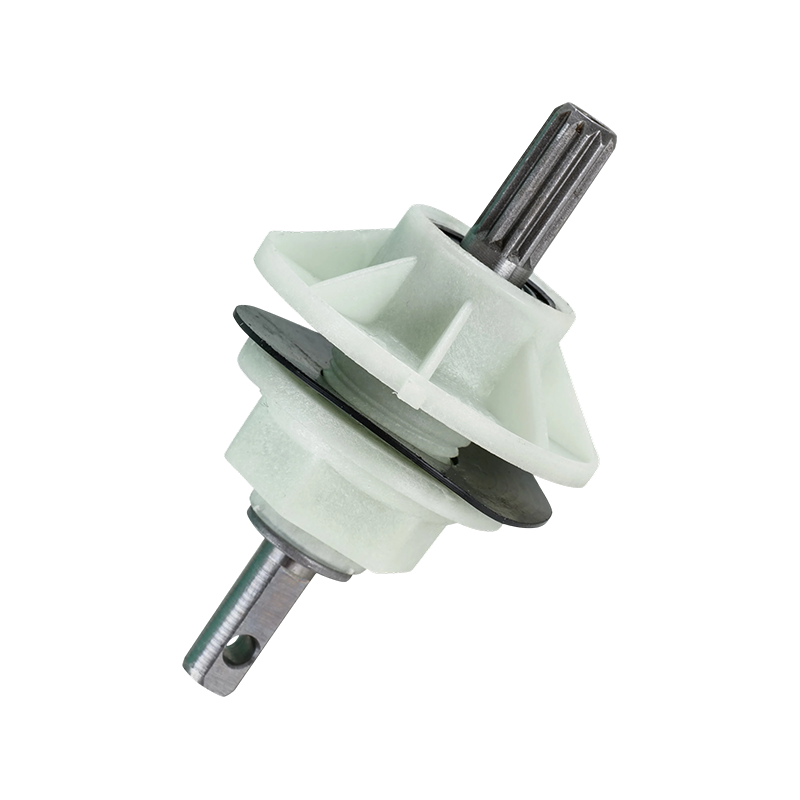
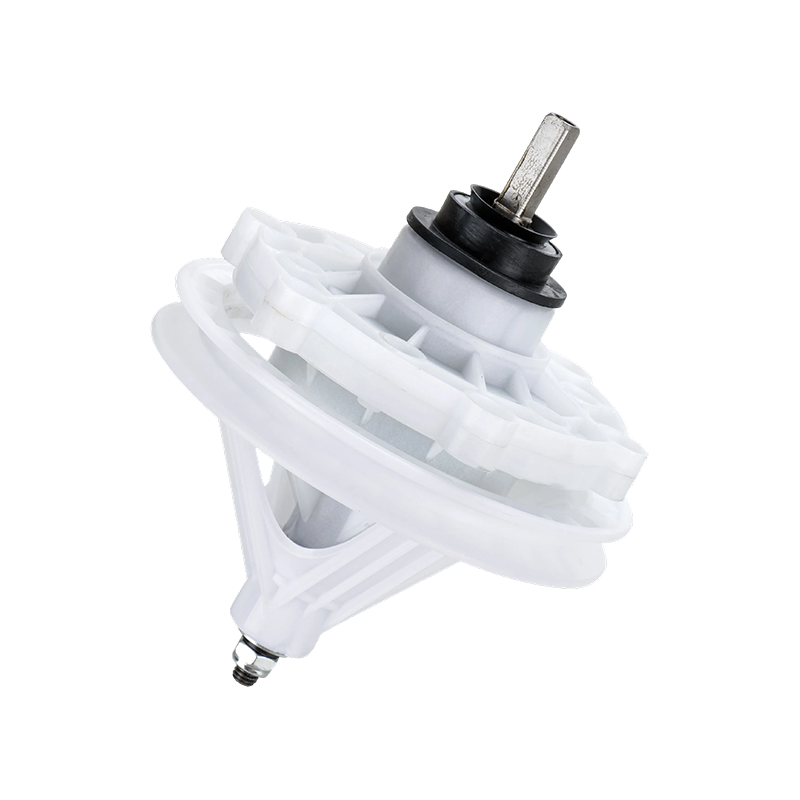
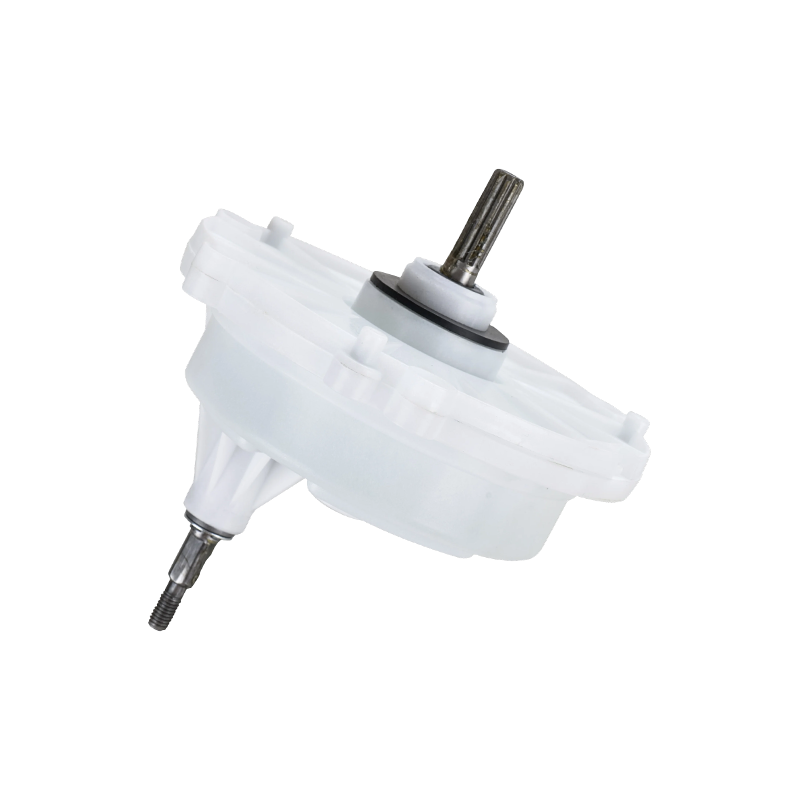
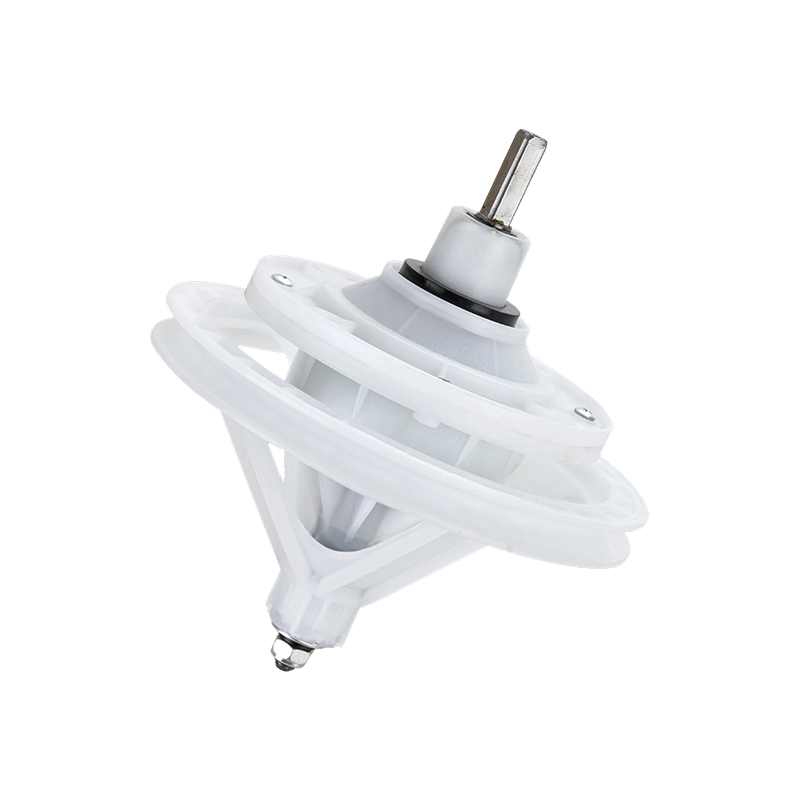
The twin-tub washing machine reducer is a critical transmission component used in semi-automatic washing machines. Although it is compact and often installed beneath the wash tub, its role is fundamental to the machine’s cleaning performance, energy efficiency, service life, and operating stability. The reducer transfers motor power to the washing pulsator or agitator while changing the motor’s high-speed rotation into a slower, higher-torque output that is more suitable for washing clothes.
In a typical twin-tub washing machine, the motor is designed to rotate quickly and efficiently. However, the pulsator requires controlled rotation, sufficient torque, and dependable reversing performance rather than unrestricted motor speed. The reducer performs this conversion through a carefully designed gear system, shaft assembly, bearing arrangement, sealing structure, and housing. When these elements work together correctly, the washing machine can generate effective water movement without placing excessive stress on the motor or other mechanical parts.
This article examines the structure, working principle, advantages, manufacturing process, quality controls, customization potential, and application value of a twin-tub washing machine reducer. It also explains why selecting a specialized washing machine gearbox manufacturer can help equipment producers improve reliability, simplify procurement, and achieve more consistent product performance.
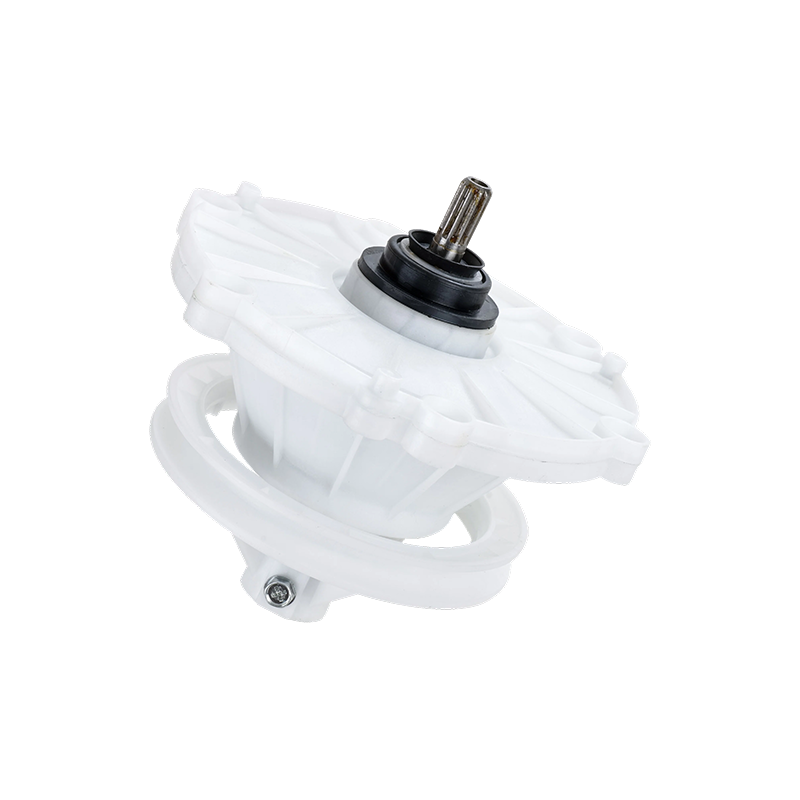
Twin-tub Washing Machine Reducer
1. The Role of a Reducer in a Twin-Tub Washing Machine
A semi-automatic twin-tub washing machine generally contains two separate compartments. One tub is used for washing, while the other is used for spinning. The washing section relies on a pulsator or agitator to create alternating water movement. This motion helps loosen dirt, distribute detergent, and move garments through the wash water.
The washing motor commonly operates at a relatively high rotational speed. Directly connecting that motor to the pulsator would produce excessive speed and insufficient usable torque. It could also cause violent water movement, fabric entanglement, mechanical noise, and premature wear. The reducer solves this problem by lowering the output speed and increasing the available torque at the pulsator shaft.
The reducer therefore performs several functions at the same time:
It reduces the motor’s rotational speed to a level appropriate for washing.
It increases output torque so the pulsator can move water and clothing loads effectively.
It supports stable forward and reverse operation during the washing cycle.
It transfers power through a controlled and protected gear mechanism.
It helps isolate the motor from sudden load changes produced by uneven or heavy laundry loads.
It provides a mounting and shaft interface between the motor, washing tub, pulsator, and related components.
Because the reducer directly affects washing movement, its performance can influence cleaning quality, noise, vibration, electrical consumption, and product durability. A high-quality reducer is not merely a replacement part. It is a central mechanical system that contributes to the overall value of the washing machine.
2. Working Principle of the Twin-Tub Washing Machine Reducer
The operating principle is based on gear reduction. The motor transfers rotational power to the reducer’s input shaft. A smaller input gear engages with one or more larger gears. Since the larger gear rotates more slowly than the smaller driving gear, the output speed is reduced while torque is increased.
The exact transmission layout can vary according to the washing machine design, required output speed, available installation space, and target load. Some configurations use a simple gear pair, while others use multiple gears or compound arrangements. Regardless of the specific layout, the design objective remains the same: provide reliable low-speed output for the pulsator while maintaining acceptable efficiency and operating noise.
During operation, the motor may reverse direction repeatedly. The agitator normally moves the water alternately in different directions rather than spinning continuously in one direction. This reversing action places special demands on the gears, shafts, bearings, and connection points. The reducer must tolerate repeated changes in torque direction without excessive backlash, gear tooth damage, shaft looseness, or seal failure.
The reducer also operates in a challenging environment. The area beneath or around the washing tub may be exposed to moisture, detergent residue, water splashes, vibration, temperature variation, and long periods of intermittent use. Its housing and sealing structure must therefore protect the internal components from contamination while retaining lubricant and maintaining dimensional stability.
A well-engineered reducer balances several design targets:
Appropriate reduction ratio for the selected motor and pulsator.
Sufficient torque capacity for the intended wash load.
Low friction and controlled power loss.
Stable gear engagement under reversing loads.
Effective protection against moisture and contamination.
Low noise and vibration during normal washing cycles.
Long service life under repeated start-stop operation.
Compatibility with the washing machine’s mounting, shaft, and control system.
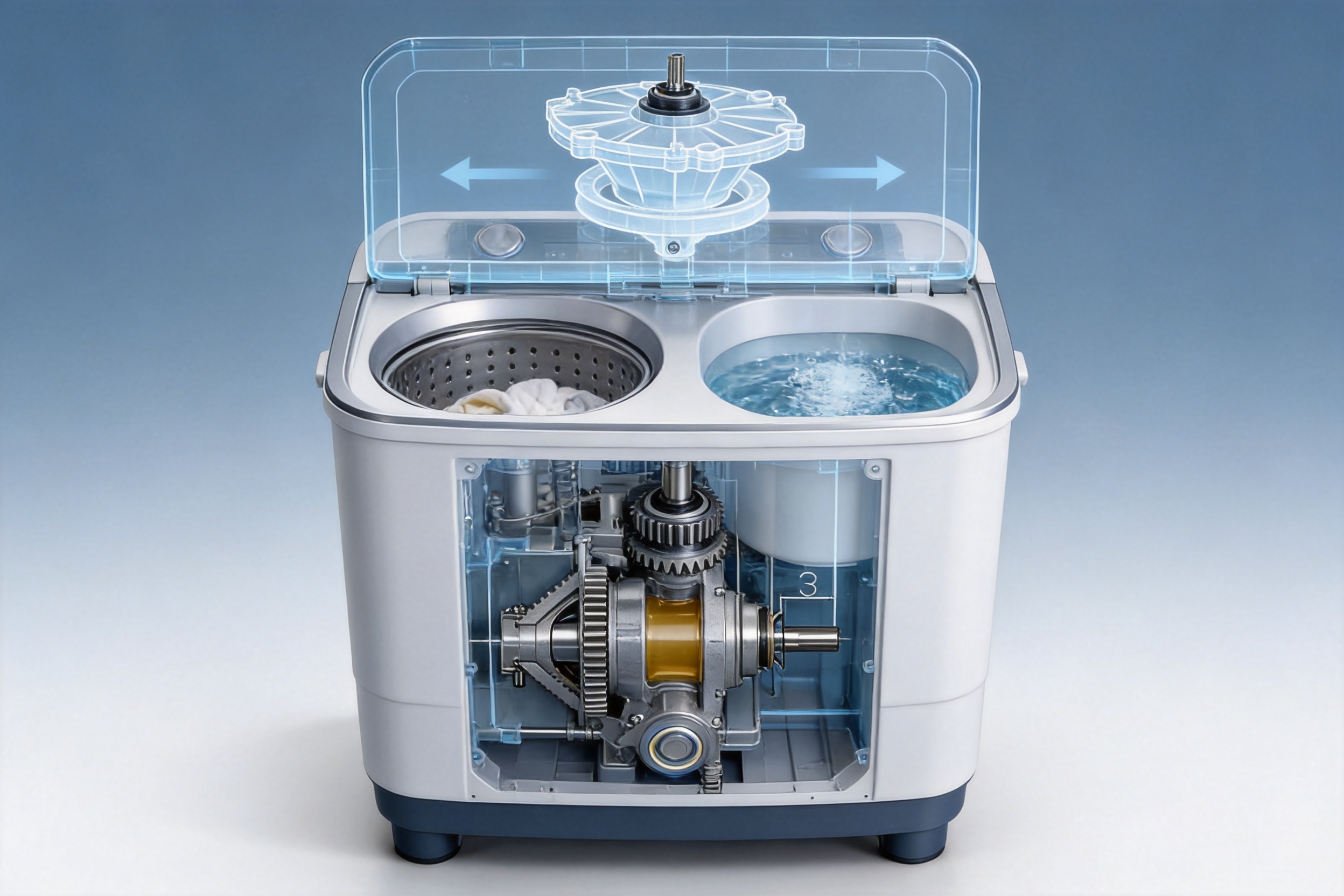
3. Main Components and Their Functions
3.1 Housing
The reducer housing supports and protects the internal transmission components. It must maintain accurate alignment between the input shaft, gears, bearings, and output shaft. A housing with insufficient rigidity may deform under load, causing gear misalignment, noise, accelerated tooth wear, or bearing stress.
The housing must also fit within the available space beneath the washing tub. Semi-automatic washing machines are usually designed for efficient use of materials and compact assembly. Consequently, the reducer needs to provide suitable torque in a relatively small package.
Housing materials and surface treatments depend on the product design. The material must offer mechanical strength, dimensional stability, resistance to moisture, and compatibility with the manufacturing process. Properly controlled molding, machining, finishing, and inspection are essential for maintaining consistent assembly accuracy.
3.2 Input Shaft
The input shaft receives power from the washing motor or motor coupling. Its dimensions, concentricity, surface finish, and connection profile must match the motor-side interface. An incorrectly sized or poorly finished input shaft can lead to coupling slippage, vibration, abnormal wear, or difficult assembly.
Because the input shaft rotates at a higher speed than the output shaft, it may experience continuous cyclic loading. The shaft material and heat treatment must be selected according to the expected torque, speed, and service conditions.
3.3 Gear Set
The gear set is the core of the reducer. Gear tooth geometry determines the reduction ratio, contact pattern, load distribution, efficiency, and operating noise. Accurate gear production is particularly important because reversing wash operation repeatedly loads the tooth flanks in alternating directions.
Gear quality depends on tooth profile accuracy, pitch consistency, surface finish, hardness, concentricity, and correct center distance. Even small deviations may create uneven contact, localized stress, noise, or premature wear. A specialized manufacturer can improve performance by controlling both gear design and production parameters rather than treating the gear as an isolated component.
3.4 Output Shaft
The output shaft delivers reduced-speed, high-torque motion to the pulsator or agitator. Its connection may use a keyed, splined, threaded, or specially shaped interface according to the washing machine model.
The output shaft is exposed to alternating torque and may also experience axial or radial forces from the pulsator and laundry load. Proper support, bearing selection, shaft hardness, and surface quality are therefore important. The shaft must remain dimensionally stable throughout its service life so that the pulsator continues to operate without excessive movement or looseness.
3.5 Bearings or Bushings
Bearings or bushings support the shafts and maintain alignment during operation. Their selection depends on speed, load, available space, cost target, lubrication method, and expected life.
Good support elements reduce friction, limit shaft movement, and help control noise. They also reduce the possibility of gear misalignment. If a bearing is incorrectly installed or insufficiently protected, water contamination and wear may cause increased resistance, noise, or shaft wobble.
3.6 Seals and Protective Elements
Seals help retain lubricant and limit the entry of water, detergent, and other contaminants. In a washing machine application, sealing is especially important because moisture may be present during normal use, transportation, installation, or maintenance.
A seal must be compatible with the shaft surface, lubricant, temperature range, and expected movement. Improper compression, rough shaft surfaces, dimensional variation, or assembly damage may reduce sealing performance. For this reason, seal inspection and assembly control are important parts of the manufacturing process.
3.7 Lubrication System
Lubrication reduces friction and helps protect gear teeth, bearings, shafts, and other moving surfaces. The selected lubricant must be appropriate for the operating speed, load, temperature, material combination, and expected storage period.
Too little lubricant may increase wear and temperature. Excessive or unsuitable lubricant may create leakage, resistance, contamination, or compatibility problems. A reliable production process controls lubricant type, quantity, application position, and sealing condition.
4. Advantages of a Specialized Twin-Tub Reducer
4.1 Stable Low-Speed, High-Torque Output
The principal advantage of a dedicated twin-tub washing machine reducer is its ability to convert motor power into useful washing motion. The output is controlled rather than excessive, allowing the pulsator to move water and laundry efficiently.
This balanced output supports consistent washing action across different load conditions. It also helps prevent the motor from operating under an unsuitable mechanical load. By matching the transmission ratio to the washing system, the reducer contributes to stable performance and improved component coordination.
4.2 Reliable Reversing Performance
Twin-tub washing machines commonly use alternating pulsator movement. A reducer designed for this application must tolerate repeated torque reversals. Gear engagement, shaft connections, and bearing supports need to remain stable when the direction changes.
Compared with a general-purpose gearbox that may be designed primarily for one-direction rotation, a washing machine reducer can be optimized for frequent reversing cycles. This application-specific design helps limit backlash, noise, and wear during normal washing operation.
4.3 Compact Construction
Space under a washing tub is limited. A compact reducer can provide the required output within the machine’s existing structural envelope. This helps washing machine manufacturers maintain a practical product layout without increasing cabinet size.
Compactness also simplifies integration with the motor, tub, pulsator, and mounting frame. When dimensions are stable and interfaces are carefully controlled, assembly can be faster and less dependent on manual adjustment.
4.4 Moisture-Resistant Operating Capability
The reducer is designed for use in an environment where moisture and detergent exposure are possible. Proper housing design, shaft sealing, material selection, and assembly control help protect the transmission system.
Moisture resistance does not mean that the reducer should be exposed directly to standing water or installed incorrectly. However, a product designed for washing machine service is better suited to normal humid operating conditions than an unprotected industrial transmission component.
4.5 Cost-Effective Life-Cycle Performance
A low purchase price does not always represent low total cost. A reducer that produces excessive noise, causes frequent service calls, or fails prematurely may increase warranty expense and damage the reputation of the washing machine manufacturer.
A properly manufactured reducer can offer a better balance between purchase cost, production efficiency, reliability, and service life. Stable materials, controlled manufacturing, and consistent inspection help reduce variation between batches. This is particularly valuable for OEM and aftermarket customers that need predictable product performance.
4.6 Broad Compatibility Potential
Washing machine manufacturers may use different motors, pulsators, tubs, mounting structures, and control systems. A reducer supplier with design and manufacturing capability can develop variations in shaft dimensions, gear ratios, housing geometry, mounting holes, and connection profiles.
This flexibility is an advantage over suppliers that only offer a fixed catalog item. OEM and ODM customers can work toward a component that matches their specific machine architecture rather than redesigning the whole product around an unsuitable transmission.
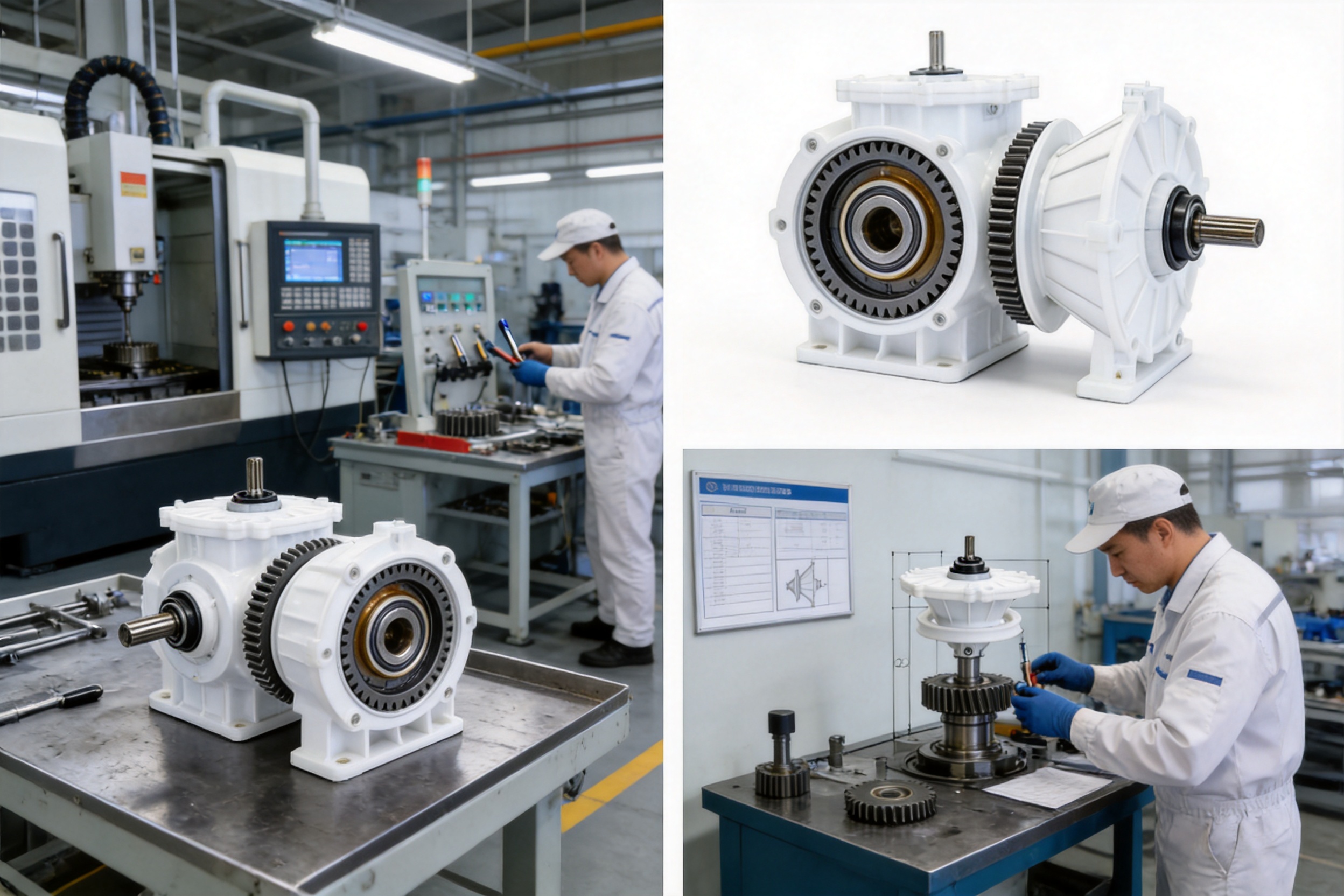
5. Comparison with Less Specialized Transmission Solutions
| Evaluation Area | Application-Specific Twin-Tub Reducer | Generic or Poorly Matched Transmission |
|---|
| Output speed | Designed for the operating requirements of a washing pulsator | May provide excessive or unsuitable speed |
| Torque behavior | Configured for low-speed, high-torque washing loads | May lack sufficient torque during heavy or uneven loads |
| Reversing operation | Designed to tolerate repeated changes in rotation direction | May experience backlash, noise, or accelerated wear |
| Moisture protection | Housing and sealing are selected for washing machine conditions | Protection may be inadequate for humid environments |
| Installation | Interfaces can be matched to the motor, tub, and pulsator | May require adapters or additional modifications |
| Quality consistency | Supported by controlled production and inspection processes | Performance may vary significantly between batches |
| OEM customization | Possible adjustments to dimensions, ratio, shaft, and mounting | Usually limited to standard specifications |
| Total cost | Balances acquisition cost with reliability and service performance | Lower initial cost may lead to higher maintenance or replacement cost |
The comparison demonstrates why transmission selection should be based on the complete operating environment rather than on price alone. The best reducer is the one that meets the machine’s torque, speed, space, environmental, and service-life requirements with consistent production quality.
6. Advanced Manufacturing Process
The performance of a reducer depends on more than its engineering drawing. It also depends on how accurately and consistently each manufacturing step is executed. A specialized washing machine component manufacturer can integrate material control, machining, gear production, assembly, testing, and quality management into a coordinated process.
6.1 Product Design and Engineering Review
Manufacturing begins with a review of the required operating conditions. Engineers evaluate the motor speed, target output speed, torque, washing load, reversing frequency, available installation space, mounting method, shaft interface, and environmental conditions.
Design review may also consider the expected washing cycle, transportation vibration, assembly method, maintenance requirements, and target product cost. This information helps determine the appropriate gear arrangement, housing structure, bearing configuration, sealing method, lubricant, and material specifications.
For OEM or ODM projects, the supplier may review customer drawings, samples, or complete washing machine assemblies. This allows potential interference, alignment, clearance, and interface problems to be identified before mass production begins.
6.2 Material Preparation
Material consistency is essential to stable reducer performance. Core materials may include metals for shafts and gears, engineered materials for housings or internal supports, elastomers for seals, and lubricants selected for the required operating conditions.
Material inspection may include dimensional checks, visual inspection, hardness verification, certificate review, and sampling according to the applicable quality plan. Controlling materials at the beginning of the process helps reduce variation later in production.
GAITE operates with a high level of in-house core material production, with approximately 90 percent of core materials produced internally. This level of vertical integration can improve control over supply stability, specifications, production scheduling, and traceability. It also allows the manufacturer to respond more efficiently when a customer requires a design adjustment or a production change.
6.3 Precision Machining
Machining creates the dimensional features required for shafts, housings, gear supports, bearing seats, and mounting surfaces. Important characteristics include diameter, concentricity, roundness, surface finish, perpendicularity, and positional accuracy.
These features directly influence reducer assembly. A shaft seat that is slightly misaligned can affect the gear mesh. An inconsistent bearing seat can create looseness or excessive preload. A mounting surface with poor flatness can introduce stress when the reducer is installed in the washing machine.
Advanced machinery and mature process control help maintain repeatable dimensions. Depending on the part, production may include turning, milling, drilling, grinding, forming, molding, deburring, and surface treatment. Inspection is used to verify that the finished parts remain within the approved specifications.
6.4 Gear Manufacturing
Gear production requires careful control of tooth geometry and surface quality. The gear blank must be accurately prepared before teeth are formed or machined. Tooth profile, pitch, runout, and center dimensions must be maintained so that mating gears engage smoothly.
After gear formation, additional operations may be used to improve surface condition, remove burrs, or achieve the required hardness and finish. The appropriate process depends on the gear material, design, load requirements, and production volume.
Gear inspection may include tooth profile checks, runout measurement, dimensional inspection, visual examination, and functional meshing tests. These checks help identify defects that could create excessive noise or reduce service life.
6.5 Heat Treatment and Surface Control
Where required, shafts and gears may receive heat treatment to improve hardness, wear resistance, and fatigue performance. Heat treatment must be controlled carefully because excessive distortion can affect gear alignment or shaft dimensions.
After treatment, parts may require secondary machining or inspection. Surface condition is also important. Rough or damaged surfaces can increase friction, harm seals, or create stress concentrations.
6.6 Cleaning and Deburring
Small metal particles, burrs, machining residue, and contamination can damage gears, bearings, seals, and lubricant quality. Cleaning and deburring are therefore necessary before assembly.
Effective cleaning improves the reliability of the finished reducer and helps ensure that the lubricant remains suitable during operation. It also supports consistent assembly by preventing unwanted particles from affecting fits or clearances.
6.7 Controlled Assembly
Reducer assembly requires correct sequence, alignment, lubrication, sealing, and fastening. The gears and shafts must be installed with the correct orientation and clearance. Bearings or bushings must be seated properly. Seals must not be cut, twisted, or damaged during installation.
Assembly personnel and equipment must follow defined work instructions. Where appropriate, torque-controlled tools, fixtures, gauges, and mistake-proofing methods can reduce assembly variation. Each stage should be verified before the housing is closed.
Lubricant quantity is also controlled during assembly. The correct amount helps balance friction reduction, heat generation, leakage prevention, and operating efficiency. The housing closure and sealing process must then be completed in a way that protects the internal transmission system.
6.8 Functional Testing
Finished reducers may undergo no-load or loaded running tests to verify operating smoothness, noise, vibration, output rotation, and general function. Testing can reveal gear interference, incorrect assembly, abnormal friction, seal issues, or shaft problems before the component reaches the customer.
Depending on customer requirements, testing may include torque verification, speed verification, reversing-cycle testing, leakage inspection, dimensional checks, and endurance testing. The testing plan should be connected to the intended application and the risks identified during product development.
6.9 Batch Traceability and Quality Documentation
Traceability helps manufacturers identify the material lot, production date, equipment, inspection results, and assembly information associated with a product batch. This is valuable for quality analysis, customer support, corrective action, and continuous improvement.
A documented quality system also helps ensure that changes are reviewed before implementation. Drawing revisions, material substitutions, process adjustments, and supplier changes should be evaluated for their effect on product performance.
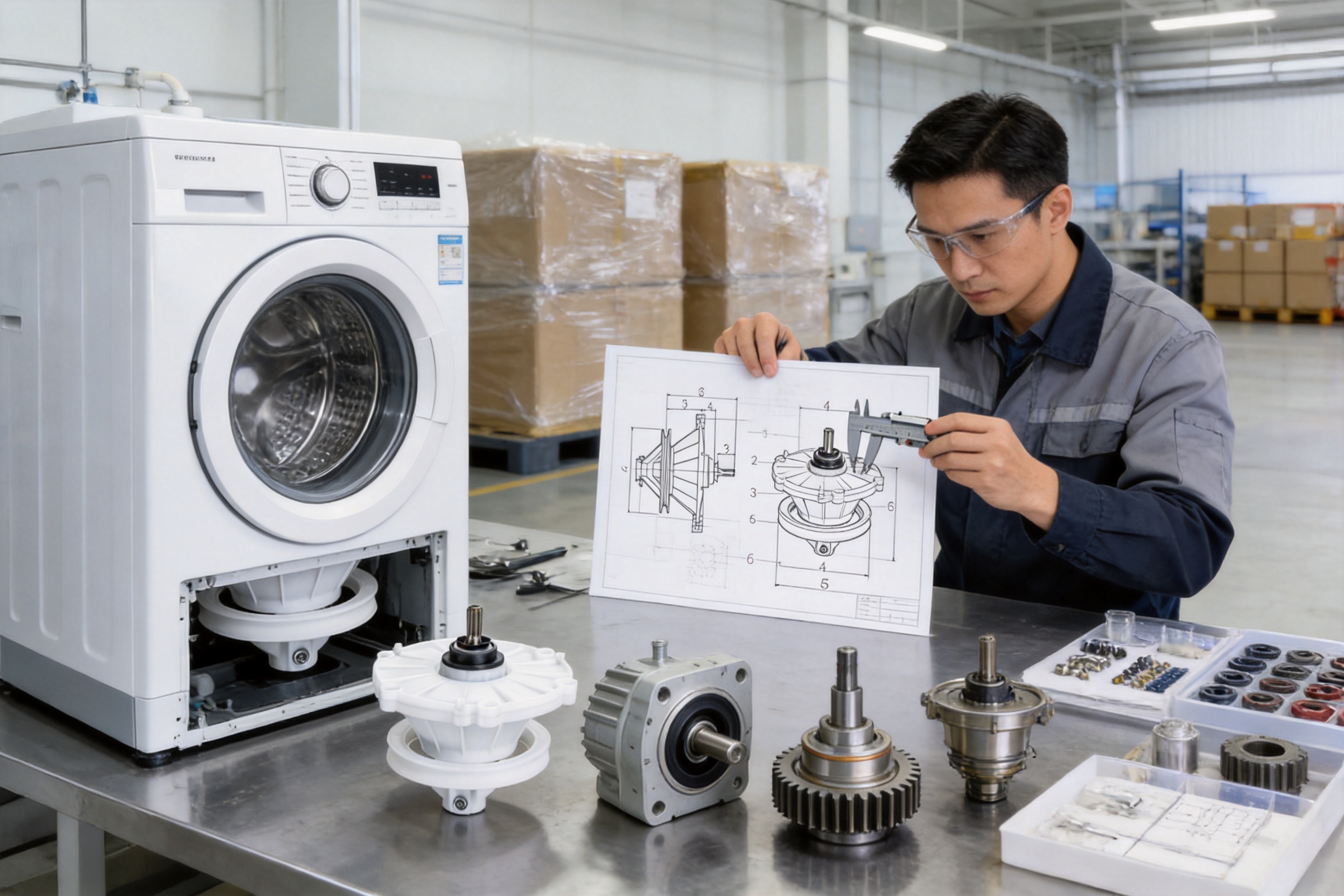
7. Quality Management and Certifications
A reliable reducer supplier should be evaluated not only by product samples but also by its management systems and manufacturing discipline. A quality management system provides a framework for controlling processes, recording results, handling nonconforming products, and improving performance.
The manufacturer described in the supplied company information has obtained ISO 9001 Quality Management System certification and ISO 14001 Environmental Management System certification. ISO 9001 focuses on systematic quality management, customer requirements, process control, documentation, corrective action, and continual improvement. ISO 14001 addresses environmental management and encourages responsible control of environmental impacts.
The company also states that its products comply with RoHS requirements. RoHS compliance is important for customers serving markets that restrict certain hazardous substances in electrical and electronic products and related components. Compliance documentation should be confirmed according to the specific product, market, and customer requirements.
Certifications do not replace product testing or engineering evaluation. However, they provide useful evidence that the manufacturer has established formal systems for managing quality and environmental responsibilities. Buyers should still review technical specifications, samples, inspection reports, production capability, and application test results.
8. OEM and ODM Customization Options
Different washing machine models may require different reducer specifications. A manufacturer with engineering and production capabilities can support customization in several areas.
8.1 Gear Ratio
The gear ratio can be selected according to motor speed, pulsator speed, required torque, and washing action. A suitable ratio helps optimize the relationship between electrical input and mechanical output.
8.2 Mounting Dimensions
Mounting holes, flange dimensions, housing shape, and installation height may be adapted to the washing machine structure. Accurate mounting geometry helps reduce assembly difficulty and prevents unwanted mechanical stress.
8.3 Shaft Interface
The input and output shafts can be designed to match the motor coupling and pulsator connection. Important details may include shaft diameter, length, keyway, spline, thread, flat section, shoulder, and allowable runout.
8.4 Housing Configuration
The housing may be adjusted to fit the available space or to accommodate specific mounting requirements. Housing changes must be reviewed carefully because they can affect stiffness, sealing, heat dissipation, assembly, and gear alignment.
8.5 Sealing and Environmental Protection
Customers may require a particular seal material, protection level, lubricant, or environmental resistance specification. The actual requirement should be established through application analysis and testing rather than by selecting a seal based only on appearance.
8.6 Packaging and Delivery
For OEM programs, packaging may be adapted to protect shafts, housings, and seals during transportation. Labeling, batch identification, inspection documents, and delivery schedules can also be coordinated with the customer’s production system.
9. How the Reducer Supports Washing Machine Performance
The reducer influences the washing machine in several interconnected ways. Stable torque transfer helps the pulsator maintain its intended movement under changing loads. Controlled speed supports suitable water circulation and reduces the risk of excessive mechanical agitation.
Low noise is also important. Consumers commonly judge product quality through sound and vibration during operation. A reducer with accurate gear engagement, appropriate lubrication, stable bearings, and rigid housing support can contribute to a quieter washing cycle.
Energy performance may also be affected. Mechanical losses within the reducer require additional motor input. A well-designed transmission reduces unnecessary friction and helps the motor deliver useful power efficiently. While the reducer is only one part of the washing machine’s energy system, its condition and design can influence total operating efficiency.
Durability is another important factor. Semi-automatic washing machines may be used frequently in homes, shared accommodation, small businesses, and other environments. The reducer must tolerate repeated starting, stopping, reversing, and load variation throughout its intended service life.
10. Selection Guide for Buyers and Washing Machine Manufacturers
Before selecting a twin-tub washing machine reducer, buyers should establish the key operating requirements. Important questions include:
What is the motor’s rated speed and power?
What output speed and torque are required at the pulsator?
How frequently does the washing system reverse direction?
What is the maximum intended washing load?
What are the available mounting dimensions?
What type of input and output shaft interfaces are required?
What moisture, temperature, detergent, and contamination conditions may occur?
What noise and vibration limits apply?
What service life and endurance requirements are expected?
Are there regulatory, environmental, or material compliance requirements?
Is the product intended for new equipment, replacement service, or both?
Once these requirements are defined, customers should request technical drawings, performance data, samples, inspection standards, and proposed testing procedures. It is also useful to evaluate the supplier’s production site, equipment, quality system, engineering team, and ability to support future revisions.
For replacement applications, dimensional compatibility is essential. A reducer that appears similar may still fail to fit correctly because of differences in shaft length, mounting pattern, gear ratio, rotation direction, or output connection. Replacement selection should therefore be based on verified specifications rather than visual similarity alone.
11. Common Causes of Reducer Failure
11.1 Overloading
Exceeding the intended washing load can increase torque demand and place excessive stress on the gears, shafts, bearings, and motor. Repeated overloading may shorten service life even if the reducer initially appears to operate normally.
11.2 Water or Detergent Ingress
Improper installation, damaged seals, excessive shaft movement, or housing defects can allow water or detergent to enter the reducer. Contamination may degrade lubricant, corrode metal surfaces, and increase wear.
11.3 Misalignment
Incorrect mounting or deformation of adjacent machine parts may place the reducer under unwanted loads. Misalignment can cause shaft bending, gear edge loading, increased noise, and seal damage.
11.4 Insufficient Lubrication
Low lubricant quantity, unsuitable lubricant, leakage, or extended service beyond the intended maintenance period may increase friction and wear. Lubrication must be controlled during production and protected through effective sealing.
11.5 Poor Assembly
Incorrect bearing seating, damaged seals, missing components, incorrect gear orientation, or improper fastening can lead to early failure. Controlled assembly and inspection reduce these risks.
11.6 Inadequate Material or Process Control
Variation in hardness, dimensions, surface quality, or material composition may create inconsistent product performance. This is why supplier capability and quality management are important when selecting a gearbox source.
12. Maintenance and Installation Recommendations
The reducer should be installed according to the washing machine manufacturer’s instructions. Mounting surfaces should be clean and free from distortion. Fasteners should be tightened using the specified method, and the shaft connection should be checked for proper engagement.
The pulsator should not be forced onto the output shaft with excessive impact. Such action may damage the shaft, bearing, or housing. If the component does not fit, the dimensions and alignment should be checked rather than applying additional force.
During service, unusual noise, increased vibration, water leakage, pulsator looseness, slow operation, or failure to reverse may indicate a mechanical problem. Continuing to operate the machine under these conditions can increase damage to the reducer and related parts.
Maintenance requirements vary according to reducer design. Some units are designed as sealed components that do not require routine lubricant replacement, while others may have service procedures specified by the equipment manufacturer. Customers should follow the approved technical documentation for the specific model.
13. Manufacturing Strengths of an Established Component Supplier
An established supplier can offer advantages that extend beyond the production of a single reducer. GAITE was founded in 2002 and is located in Ningbo, Zhejiang, China, a region with a developed manufacturing and supply-chain environment. The company specializes in core washing machine components, including gear reducers and synchronizers.
The company operates a production base of approximately 10,000 square meters and produces a substantial proportion of its core materials in-house. This manufacturing structure can support better control of production scheduling, material availability, product consistency, and technical changes.
Its product experience covers OEM manufacturers and aftermarket applications. This combination is useful because OEM projects require strict interface and batch consistency, while aftermarket products often require broad compatibility, accurate replacement dimensions, and dependable packaging.
The company reports long-term partnerships with Sharp Corporation, Panasonic Corporation, and Midea Group. Such customer relationships indicate experience in supplying established appliance manufacturers, although each new project should still be evaluated according to its own drawings, specifications, testing requirements, and quality agreement.
In addition to gearboxes, the company’s product range includes washing machine parts and P-shafts. A supplier with several related product categories may be able to coordinate components more effectively and support customers seeking a broader washing machine transmission solution.
14. Why Ningbo-Based Production Can Benefit International Buyers
Ningbo is an important manufacturing and export location in Zhejiang Province. For international customers, a supplier based in this region may benefit from access to established component networks, industrial equipment, logistics services, and export infrastructure.
However, location alone does not determine product quality. Buyers should combine geographic considerations with a review of engineering capability, production equipment, inspection systems, certifications, sample performance, lead times, communication, and after-sales support.
A capable supplier should be able to explain how product specifications are controlled from design through delivery. It should also provide clear answers about minimum order quantity, tooling, sample approval, production capacity, packaging, testing, nonconforming product handling, and change management.
15. Sustainable and Responsible Manufacturing
Environmental responsibility is becoming increasingly important in appliance component procurement. Manufacturing processes should aim to reduce waste, control energy and water usage, manage lubricants and metal residues properly, and limit the environmental impact of production activities.
ISO 14001 certification provides a structured framework for environmental management. RoHS compliance also supports responsible product development by restricting certain hazardous substances where applicable.
Durable reducers can contribute to sustainability by extending the service life of washing machines and reducing the frequency of replacement. Efficient material utilization, stable production, repairable supply chains, and reliable quality control can all support a lower life-cycle impact.
16. Frequently Asked Questions
Q1: What does a twin-tub washing machine reducer do?
A twin-tub washing machine reducer changes the motor’s high-speed rotation into lower-speed, higher-torque motion for the washing pulsator or agitator. It also supports stable power transmission during repeated reversing cycles.
Q2: Why is a reducer necessary instead of directly connecting the motor to the pulsator?
A motor normally rotates too quickly for direct pulsator operation. Direct connection could create unsuitable water movement, excessive mechanical stress, insufficient torque under load, and increased wear. The reducer matches motor output to the washing mechanism.
Q3: Can the reducer operate in a humid environment?
It is designed for normal washing machine conditions that may include humidity and water splashes. Proper housing, seals, lubricant, and installation are necessary to maintain protection. The reducer should not be exposed to standing water or installed outside its intended conditions.
Q4: Is the reducer suitable for every twin-tub washing machine?
Not necessarily. Washing machines may use different gear ratios, shaft dimensions, mounting patterns, rotation directions, and housing configurations. Compatibility should be confirmed using drawings, samples, or verified technical specifications.
Q5: Can the product be customized for OEM applications?
Customization may be available for gear ratio, shaft interface, mounting dimensions, housing geometry, sealing, materials, packaging, and testing requirements. The final design should be confirmed through technical review and sample approval.
Q6: What should buyers check before ordering?
Buyers should check motor speed and power, required output torque, reduction ratio, shaft dimensions, mounting geometry, rotation direction, environmental conditions, noise requirements, expected service life, compliance needs, production capacity, and inspection standards.
Q7: What are the signs of a failing reducer?
Common signs include abnormal noise, excessive vibration, pulsator looseness, reduced washing movement, failure to reverse, lubricant leakage, overheating, or unusual resistance. These symptoms may also be caused by motor, mounting, control, or pulsator problems, so diagnosis should be systematic.
Q8: How does manufacturing quality affect reducer performance?
Manufacturing quality affects gear accuracy, shaft alignment, bearing fit, sealing, lubrication, noise, durability, and batch consistency. Controlled materials, precision machining, careful assembly, and functional testing all contribute to reliable performance.
Q9: What certifications are relevant to this product?
ISO 9001 is relevant to quality management, while ISO 14001 concerns environmental management. RoHS requirements may apply depending on the market and product configuration. Customers should request current documentation for the specific product and destination market.
Q10: Can one supplier provide other washing machine transmission parts?
A specialized washing machine component supplier may also provide gearboxes, P-shafts, synchronizers, and related parts. Using a supplier with a broader product range may simplify technical coordination and procurement, subject to product compatibility and quality evaluation.
17. Conclusion
The twin-tub washing machine reducer is a compact but highly important component. It determines how effectively motor power is converted into the low-speed, high-torque, reversing movement required by the washing pulsator. Its housing, gears, shafts, bearings, seals, lubricant, and mounting interfaces must work together under repeated mechanical and environmental stress.
The main advantages of a purpose-designed reducer include stable output, reliable reversing performance, compact construction, moisture-conscious protection, cost-effective service life, and customization potential. These benefits are strongest when the product is manufactured through controlled material preparation, precision machining, accurate gear production, careful assembly, functional testing, and documented quality management.
For washing machine manufacturers, importers, replacement-parts distributors, and OEM customers, selecting the correct reducer requires more than comparing external appearance or purchase price. Technical compatibility, production consistency, supplier capability, certifications, testing, and long-term support should all be considered.
With experience in washing machine gearboxes, P-shafts, synchronizers, and related components, GAITE provides OEM and ODM solutions for customers seeking dependable transmission products. Its production base, in-house material capability, quality systems, environmental management practices, and experience with appliance customers support the development of practical and reliable washing machine drive components.
References
1. ISO 9001, Quality Management Systems—Requirements.
2. ISO 14001, Environmental Management Systems—Requirements with Guidance for Use.
3. International Electrotechnical Commission, Household and Similar Electrical Appliances—Safety Requirements.
4. International Organization for Standardization, General Principles for Gear Design and Mechanical Power Transmission.
5. RoHS Restriction of Hazardous Substances Requirements for Electrical and Electronic Equipment.
6. General engineering principles for spur gears, shaft design, bearing selection, sealing, lubrication, and mechanical transmission testing.
7. Technical information supplied for the Twin-Tub Washing Machine Reducer and washing machine drive component manufacturing capabilities.

 English
 عربى



 +86-574-63256717 /63267914
info@gaite.cn
 gaite@gaite.cn
 No. 208 Miaoshan Road, Shiyan Village, Henghe Town, Cixi City, Ningbo City, Zhejiang Province, China
