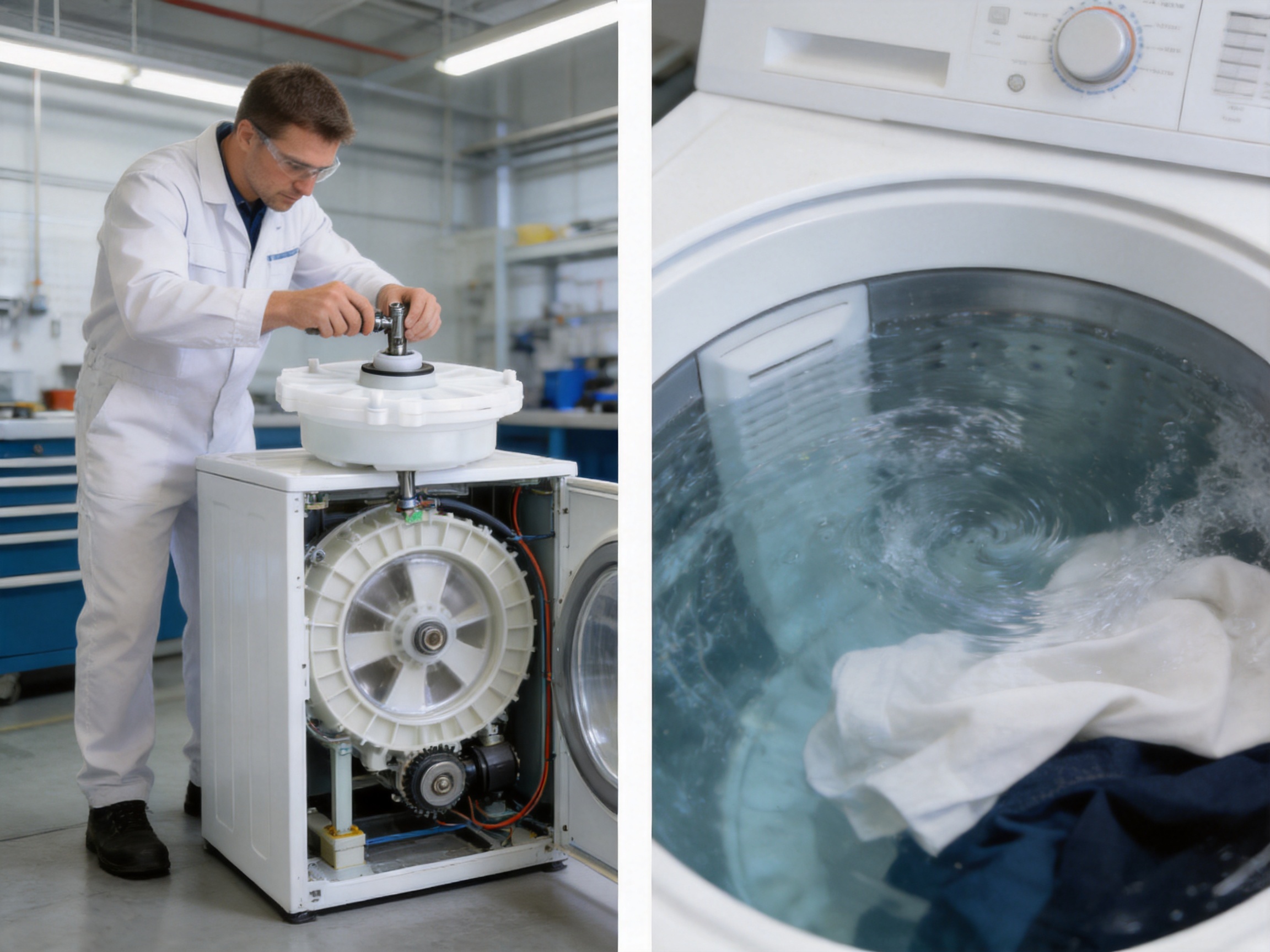
A washing machine gear case is one of the most important transmission components in a semi-automatic agitator washing machine. Although it is installed beneath the visible washing tub and is not noticed by the end user, it directly influences washing movement, water circulation, mechanical efficiency, operating noise, service life, and overall product reliability. When the gear case performs correctly, the motor’s rotational power is transferred to the agitator in a controlled and useful form. When its construction or manufacturing quality is inadequate, the washing machine may experience weak agitation, excessive noise, leakage, vibration, premature wear, or complete transmission failure.
The washing machine gear case described in this article is designed to convert the motor’s high-speed rotation into low-speed, high-torque output for the agitator. This operating principle allows a relatively compact motor to produce the mechanical force required to move clothes and water through the wash load. The result is a practical transmission solution for manufacturers, distributors, repair companies, and washing machine brands seeking stable performance and economical production.
Developed for semi-automatic agitator washing machines, the gear case combines functional durability with cost-conscious engineering. It is suitable for applications in which the transmission must operate repeatedly in a humid environment while maintaining consistent power delivery. Its value is not limited to the internal gear train. The complete product concept includes material control, manufacturing precision, sealing considerations, assembly discipline, quality management, and the ability to support OEM and ODM requirements.
Washing Machine Gear Case
What Is a Washing Machine Gear Case?
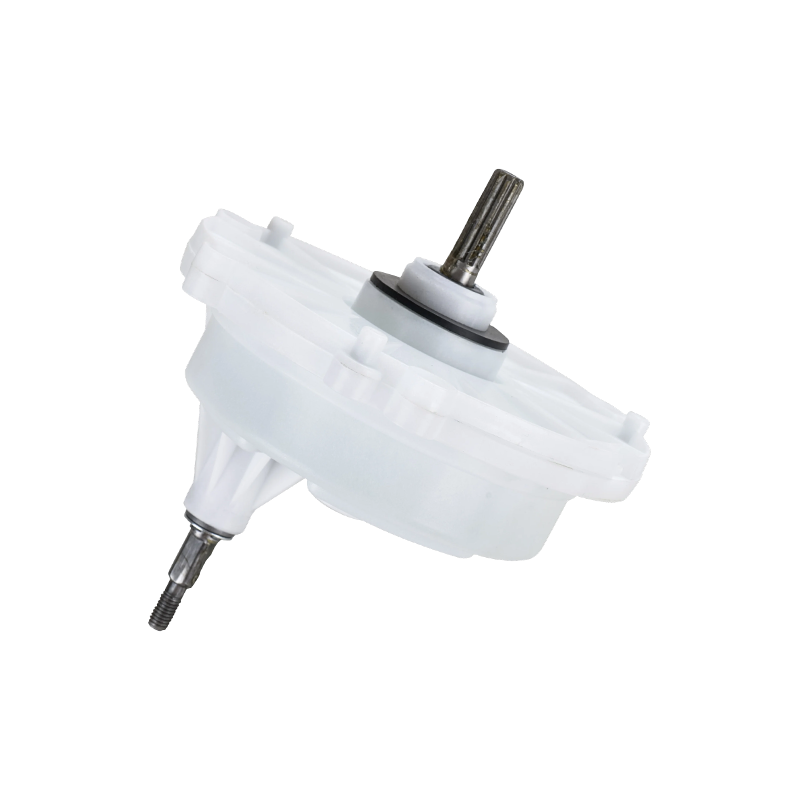
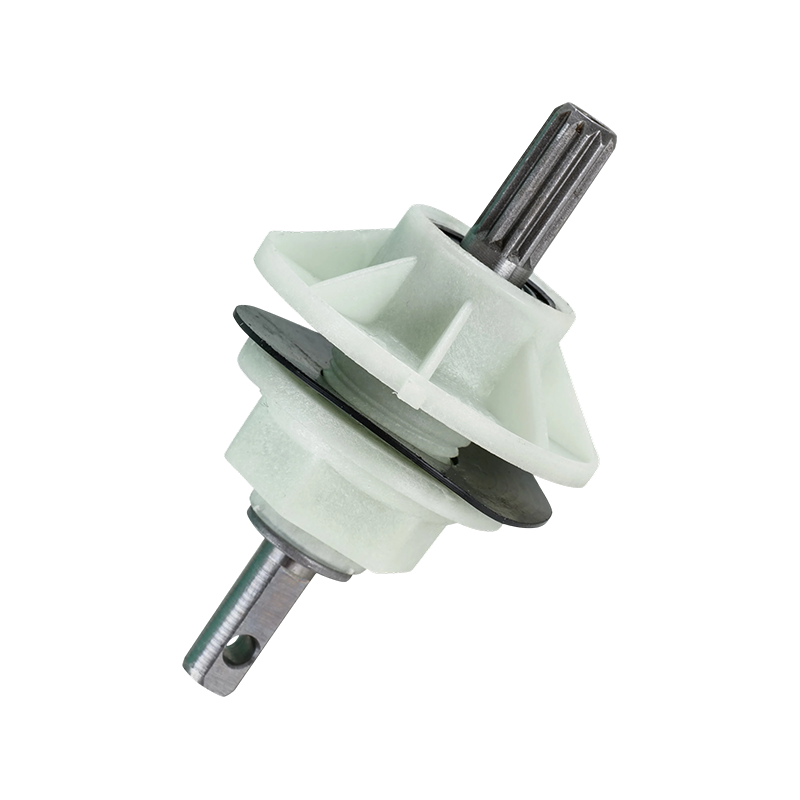
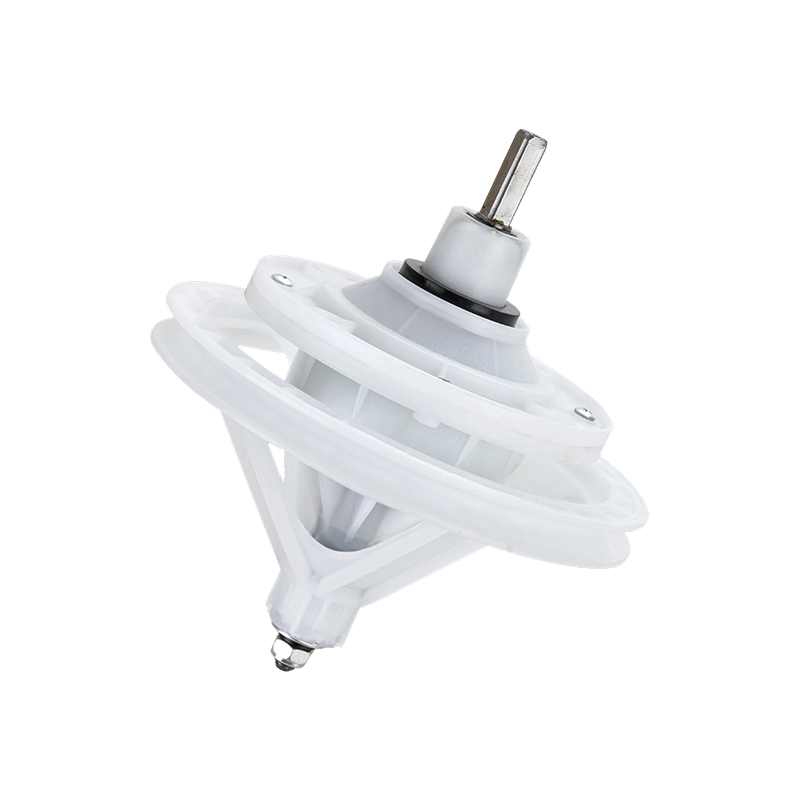
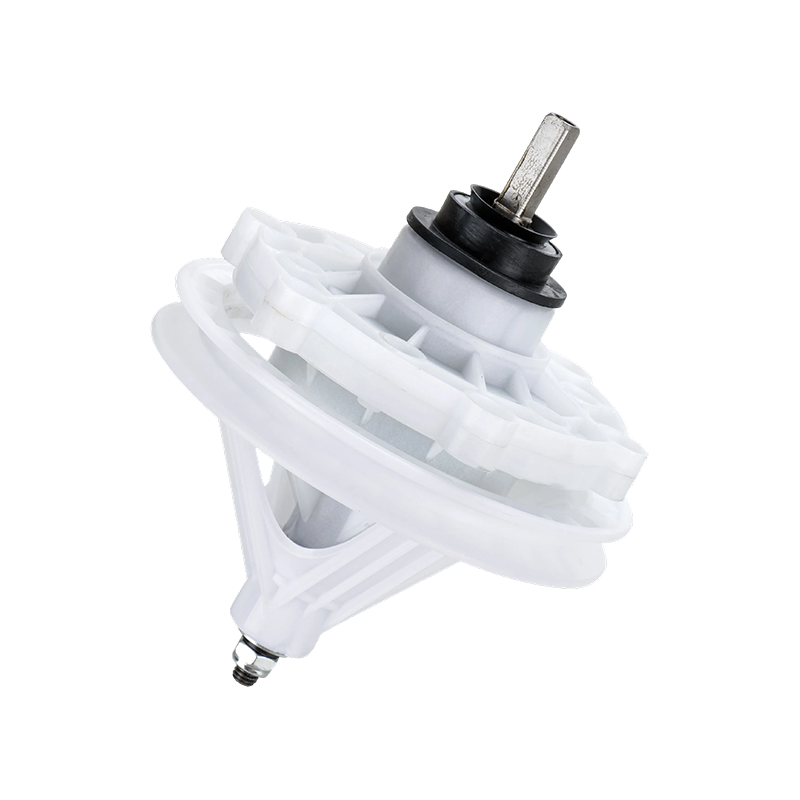
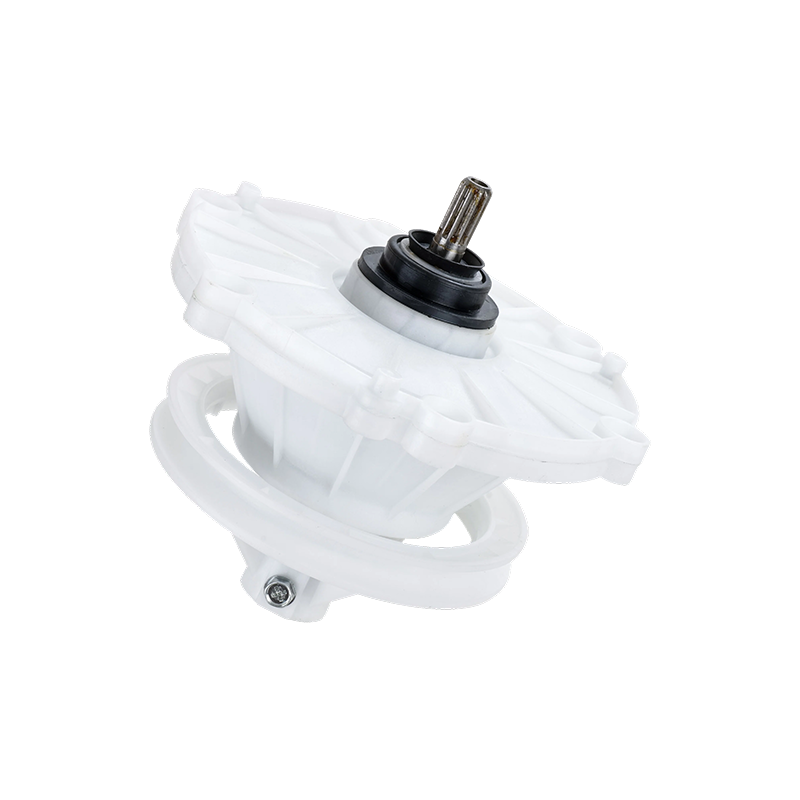
A washing machine gear case is a mechanical transmission assembly positioned between the drive motor and the agitator mechanism. Its primary function is to modify the speed and torque generated by the motor. Electric motors typically rotate at a speed that is too high for direct agitator operation. The gear case reduces the rotational speed while increasing the available torque, creating a suitable motion for washing clothes and circulating water.
In a semi-automatic agitator washer, the agitator must move a changing combination of water, clothing, detergent, and trapped air. The load is not constant. Heavy garments, towels, denim, and bedding can create greater resistance than lightweight clothing. The transmission must therefore provide sufficient torque under changing load conditions while maintaining dependable operation over repeated wash cycles.
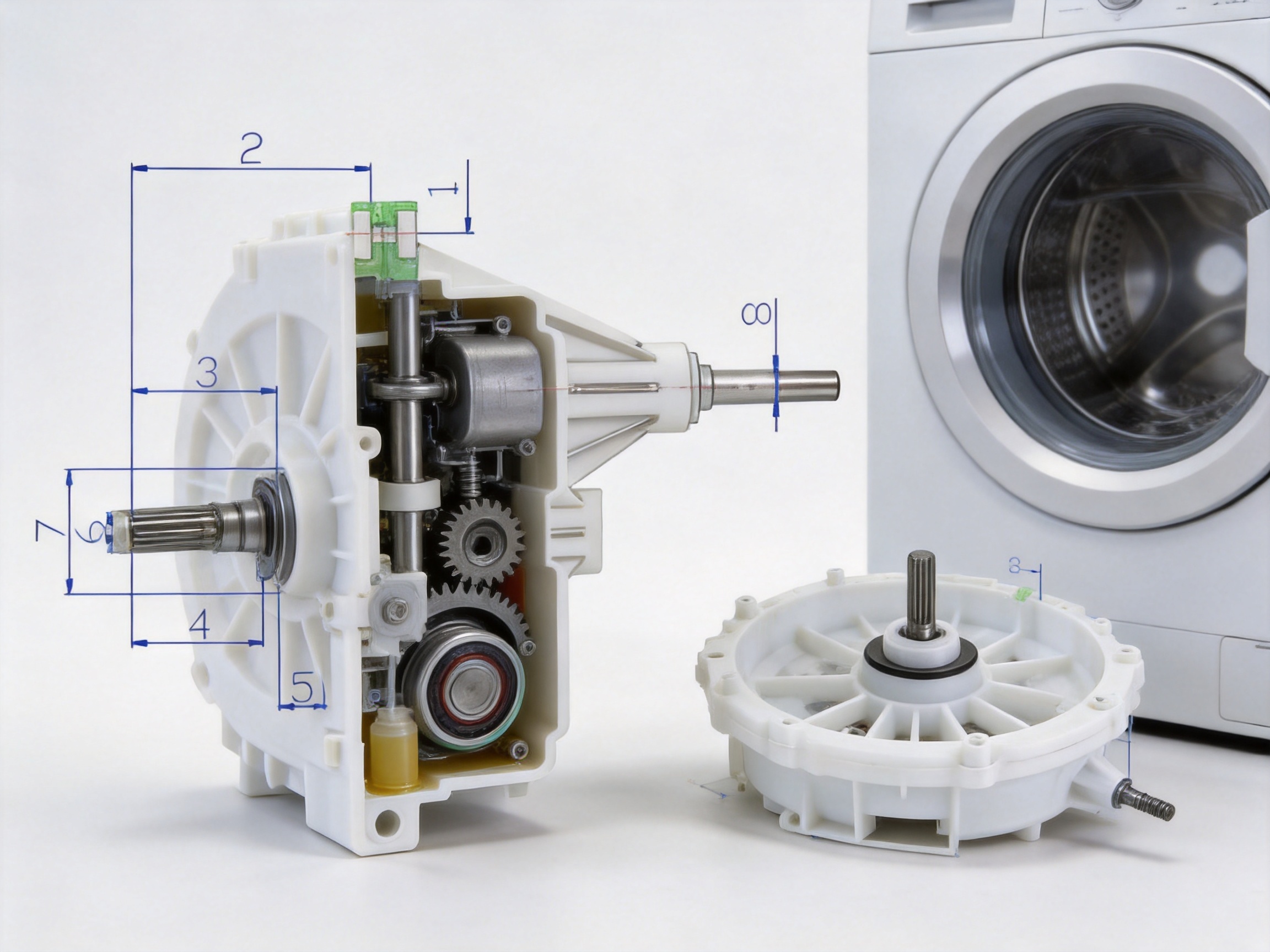
The term “gear case” generally refers to both the gear reduction mechanism and the housing that supports and protects it. Inside the housing may be gears, shafts, bearings, bushings, seals, washers, fasteners, and other transmission elements, depending on the specific design. The housing maintains the alignment of the rotating components and helps retain lubricant. It also provides a structural interface for installation in the washing machine assembly.
Because the gear case combines several mechanical functions in one compact unit, its performance depends on the relationship between every component. A strong gear alone cannot compensate for poor shaft alignment. A precisely machined shaft cannot deliver reliable performance if the seal allows water or lubricant to pass. For this reason, product quality must be managed as a complete system rather than as a collection of unrelated parts.
The Working Principle of the Gear Case
The basic working process begins when the washing machine motor produces rotational power. The motor output enters the transmission through an input shaft or connected drive interface. The internal gear train then changes the rotational speed and torque according to the reduction ratio established by the design. The output shaft transmits the converted power to the agitator, which produces the washing movement inside the tub.
Speed reduction is essential because the agitator requires controlled mechanical movement rather than unrestricted motor speed. If the motor were directly connected to the agitator, the resulting speed could be unsuitable for the washing load and could place excessive stress on the agitator, tub, clothing, and mounting structure. Gear reduction makes it possible to use a practical motor while achieving an appropriate washing action.
Torque multiplication is equally important. Torque is the turning force available at the output. As speed is reduced through the gear train, the output can deliver greater turning force, subject to transmission efficiency and mechanical losses. This allows the agitator to overcome resistance from wet clothing and water without requiring an unnecessarily large motor.
During operation, the transmission must also manage friction, heat, vibration, and changing loads. The gears must mesh correctly, the shafts must remain supported, and the lubricant must remain in the appropriate areas. Sealing elements must help prevent moisture from entering the gear chamber and help retain lubricant around the rotating components. The housing must preserve the position of these parts even after many operating cycles.
The gear case is therefore not simply a speed reducer. It is a coordinated mechanical assembly that determines how effectively motor energy becomes washing action. Its design directly contributes to the user’s experience because it affects whether the washer starts smoothly, agitates consistently, handles different loads, and continues to operate over an extended service period.
Key Performance Requirements
Stable Speed Reduction
The gear case must deliver an output speed appropriate for the agitator. Stable reduction helps the washing machine maintain a predictable washing rhythm and prevents the agitator from rotating too rapidly or too slowly. Consistency is especially important when the same washing machine platform is used across multiple product models or regional markets.
Sufficient Output Torque
A washing load can create significant resistance, particularly when the clothing absorbs water. The gear case must provide adequate torque so that the agitator can continue moving under normal load conditions. A transmission with insufficient torque may show weak movement, delayed starting, or intermittent stopping. A well-designed gear case supports dependable agitation without requiring excessive motor capacity.
Accurate Gear Engagement
Gear teeth must engage properly across the intended contact surfaces. Poor engagement can create increased friction, uneven wear, noise, and heat. Manufacturing accuracy, shaft support, housing geometry, and assembly control all influence gear engagement. Consistent processing is therefore essential when producing gear cases in volume.
Resistance to Humidity and Contamination
Semi-automatic washing machines operate near water, detergent, wet textiles, and humid air. The gear case must be designed with appropriate housing and sealing arrangements to reduce the risk of moisture reaching the internal transmission components. Material selection and surface protection also contribute to long-term resistance against corrosion and environmental deterioration.
Mechanical Durability
The transmission is exposed to repeated starting, stopping, reversing, loading, and unloading. Each cycle can create changes in torque and stress. Durable materials, controlled heat treatment where applicable, accurate machining, and reliable assembly help the product tolerate these repeated operating conditions.
Controlled Noise and Vibration
Noise and vibration are often indicators of transmission condition. Excessive noise may result from inaccurate gear profiles, poor alignment, insufficient lubrication, worn support components, or housing deformation. A carefully manufactured gear case helps maintain smooth mechanical contact and reduces unnecessary disturbance during washing.
Product Advantages Over Generic Alternatives
Many washing machine gear cases may appear similar from the outside, but important differences can exist in internal materials, dimensional accuracy, sealing, inspection, and process control. The value of this washing machine gear case comes from combining practical design with manufacturing discipline rather than relying only on a low purchase price.
Balanced Durability and Cost
For semi-automatic washing machines, the transmission must be economical enough for competitive product manufacturing while remaining durable enough for regular household use. Overengineering can increase cost without creating a proportional benefit, while excessive cost cutting may shorten service life. A balanced gear case design focuses on the functions that matter most: reliable torque transfer, stable operation, environmental resistance, and repeatable assembly.
This balance can be particularly valuable for manufacturers producing large volumes or serving price-sensitive markets. A dependable component helps reduce warranty exposure, after-sales replacement requirements, and interruptions in final assembly. It also allows product planners to maintain competitive retail pricing without treating the gear case as an unreliable low-cost item.
Purpose-Built for Semi-Automatic Agitator Machines
The product is intended for the operating requirements of semi-automatic agitator washing machines. This focus helps align the transmission design with the movement pattern, space limitations, motor connection, and load conditions found in this type of appliance. A purpose-built component can offer more practical integration than a general-purpose reducer that has not been designed around washing machine applications.
Reliable Power Delivery
The gear case converts motor speed into useful agitator torque, giving the washing machine a stable mechanical foundation. Consistent power delivery supports more uniform movement of water and clothing, which can contribute to predictable washing performance. It also helps the motor operate with a transmission that is properly matched to its intended function.
Suitability for Humid Operating Conditions
The housing, sealing concept, materials, and surface treatment must be considered together when a transmission is used near water. The gear case is developed for long-term operation in the humid environment associated with washing machines. This does not eliminate the need for correct installation or proper appliance design, but it provides a stronger foundation for environmental durability than an unprotected mechanical assembly.
Manufacturing Consistency
Consistency is one of the most important differences between an established component manufacturer and an uncontrolled source. A gear case that performs well in one sample but varies significantly from batch to batch creates serious problems for washing machine assembly and after-sales service. Controlled production, in-house material capability, inspection procedures, and documented quality systems help reduce this variation.
Support for OEM and ODM Programs
Washing machine manufacturers often require more than a standard catalog component. They may need adjustments to mounting dimensions, shaft interfaces, gear ratios, housing features, packaging, labeling, or production quantities. An OEM and ODM-oriented supplier can work with technical teams to review these requirements and develop a transmission suitable for a specific appliance platform.
Manufacturing Strengths Behind the Product
The quality of a washing machine gear case is strongly connected to the capabilities of the factory that produces it. Cixi Gaite Electric Co., Ltd. was established in 2002 in Ningbo, Zhejiang, China, and specializes in core washing machine components, including gear reducers, synchronizers, washing machine gearboxes, and P-shafts. Its experience in this field supports a product-development approach centered on appliance transmission requirements rather than isolated machining work.
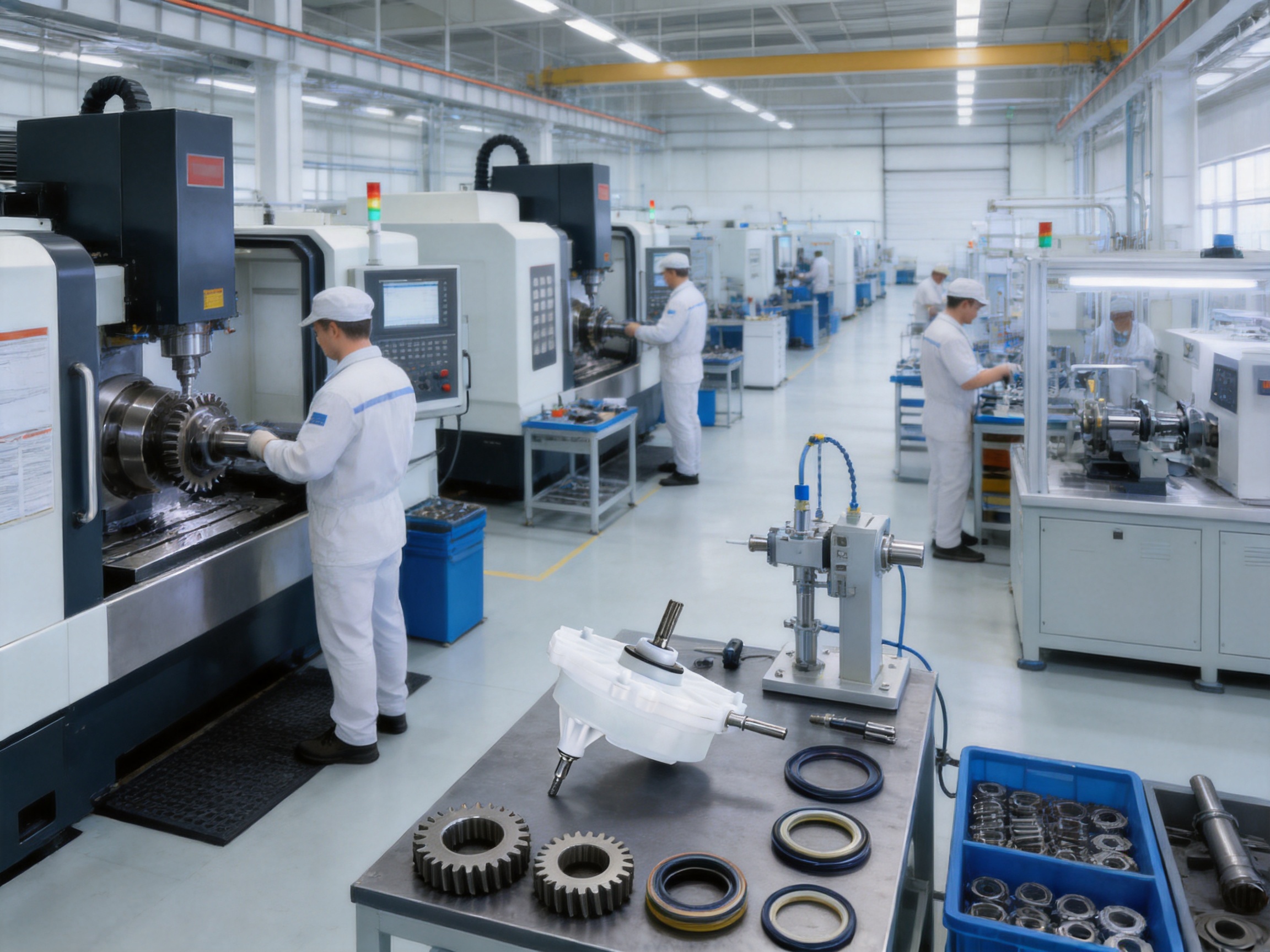
The company operates a production base of approximately 10,000 square meters. This scale provides space for manufacturing equipment, assembly operations, inspection activities, material handling, warehousing, and process management. A dedicated production environment is important for maintaining orderly workflows and reducing the risk of uncontrolled movement between machining, cleaning, assembly, and packaging stages.
Approximately 90 percent of core materials are produced in-house. In-house capability can improve control over material consistency, production scheduling, and supply stability. It also allows manufacturing engineers to respond more directly when a material, dimensional, or process issue is identified. Rather than depending entirely on multiple outside sources, the factory can retain greater control over key steps that influence final gear case performance.
Material and Component Control
Transmission performance begins with the materials used for gears, shafts, housings, seals, and support elements. Material selection must consider strength, wear resistance, dimensional stability, corrosion resistance, manufacturability, and cost. The appropriate choice depends on the function of each component and the operating conditions of the target washing machine.
In-house production of core materials can help establish more consistent incoming and intermediate conditions. It may also support closer coordination between material preparation and machining. When material properties are more stable, production teams can better control cutting parameters, forming operations, finishing, and inspection criteria.
Precision Machining
Gears and shafts must be produced within controlled dimensional limits so that the assembled transmission can rotate smoothly. Precision machining contributes to tooth geometry, shaft diameter, bearing or bushing fit, sealing surfaces, and alignment. Even small deviations can influence noise, friction, load distribution, and wear over time.
Advanced machinery allows production teams to repeat established processes more consistently and to support efficient manufacturing at commercial volumes. Machine capability alone, however, is not enough. It must be combined with suitable tooling, maintenance, process parameters, operator training, and inspection procedures. The combination of equipment and disciplined process management creates the conditions for dependable gear case production.
Housing Production and Structural Accuracy
The gear case housing protects the transmission and supports its internal components. Its dimensional accuracy affects the location of shafts, gears, seals, and fasteners. If the housing is distorted or incorrectly machined, internal components may not remain aligned during operation.
A well-controlled housing process helps maintain consistent wall dimensions, mounting features, sealing surfaces, and internal support positions. These details are especially important for OEM applications because a gear case must not only operate correctly but also fit the washing machine’s mechanical structure without unnecessary modification.
Assembly Process Control
Assembly is the stage at which individual parts become a functional transmission. Components must be installed in the correct sequence and orientation. Lubrication must be applied appropriately, seals must not be damaged, fasteners must be secured, and rotating parts must be checked for smooth movement.
Process control during assembly helps prevent common problems such as misplaced washers, incorrect gear positioning, seal deformation, insufficient lubricant, excessive preload, or loose connections. A controlled assembly line also makes it easier to identify the source of a problem if inspection detects an abnormal result.
Testing and Inspection
Inspection activities may include dimensional checks, visual inspection, rotation checks, leakage evaluation, noise observation, and functional testing according to product requirements. The exact testing program depends on the model, customer specification, and applicable internal standards. The objective is to verify that the finished gear case is suitable for its intended washing machine application.
Testing is especially valuable for components that will be installed in large numbers. A problem discovered before shipment is much easier and less expensive to correct than a failure discovered after the gear case has been installed in a finished appliance. Quality gates throughout production can therefore protect both the supplier and the washing machine manufacturer.
Quality Management and Compliance
Cixi Gaite Electric Co., Ltd. has obtained ISO 9001 Quality Management System certification and ISO 14001 Environmental Management System certification. ISO 9001 supports a structured approach to quality planning, process control, documentation, corrective action, and continuous improvement. For a gear case manufacturer, these principles help connect customer requirements with production activities and inspection results.
ISO 14001 reflects a systematic approach to environmental management. Manufacturing organizations must consider resource use, waste control, emissions, chemical handling, and environmental responsibilities. A structured environmental system is relevant to customers that evaluate not only product performance but also the sustainability and responsibility of their supply chain.
The products comply with RoHS requirements. Compliance with restrictions on certain hazardous substances is important for international appliance supply chains. It can support customers that sell products in markets where chemical substance requirements form part of market access, procurement, or product documentation.
Certifications and compliance statements do not replace product testing or application engineering. Instead, they provide a management and regulatory foundation that complements technical evaluation. Customers should still confirm the relevant model, drawings, materials, test conditions, and documentation for their specific project.
Importance of Sealing and Lubrication
Sealing and lubrication are essential to the service life of a gear case. Internal gears and support components require suitable lubrication to reduce friction, limit wear, and help manage heat generated during operation. The lubricant must remain in the intended area for the expected service period, while outside moisture and contaminants should be minimized.
Sealing surfaces must be produced accurately and assembled carefully. A damaged or incorrectly installed seal can allow water to enter the transmission or lubricant to escape. Either condition may reduce gear life and create secondary damage. For this reason, seals should be treated as functional transmission components rather than inexpensive accessories.
The washing machine manufacturer also has an important role. Correct installation, shaft alignment, fastening, drainage design, and protection from abnormal water exposure all influence the real-world performance of the gear case. A high-quality transmission performs best when incorporated into a washing machine platform that follows proper mechanical and environmental design practices.
Application Benefits for Washing Machine Manufacturers
| Application requirement |
Gear case contribution |
Business value |
| Agitator movement |
Converts motor speed into controlled output torque |
Supports consistent washing action |
| Repeated household operation |
Uses durable transmission components and controlled assembly |
Helps improve product reliability and service life |
| Humid environment |
Provides a protected housing and sealing-focused design |
Reduces environmental risk to internal components |
| Mass production |
Uses repeatable manufacturing and quality-control processes |
Supports stable supply and predictable assembly |
| Product customization |
Can support OEM and ODM development discussions |
Helps match the component to a specific appliance platform |
| Cost-sensitive markets |
Balances practical durability with economical production |
Supports competitive appliance pricing |
For appliance manufacturers, the value of a reliable gear case extends beyond its individual purchase price. The component affects the final product’s quality perception, production efficiency, warranty exposure, spare-parts requirements, and customer satisfaction. A transmission that fits correctly and performs consistently can reduce interruptions during final assembly and simplify product validation.
Stable supply is another important consideration. Washing machine production schedules often depend on the availability of many specialized components. A supplier with in-house control over a high proportion of core materials may be better positioned to manage production continuity than a source that relies entirely on external purchasing. Customers should evaluate capacity, lead times, quality records, packaging, and communication procedures when selecting a gear case supplier.
OEM and ODM Development Considerations
OEM customers may require a gear case that follows an existing drawing, interface, or appliance platform. In this situation, the supplier must review technical documentation, confirm critical dimensions, identify material and testing requirements, and establish a production process that consistently meets the agreed specification.
ODM customers may need more support during product development. They may have a target washing capacity, motor configuration, tub structure, agitator design, or cost objective but not a fully developed transmission drawing. An experienced component manufacturer can participate in discussions about output torque, mounting arrangement, sealing, gear reduction, materials, and production feasibility.
Customization should be managed through controlled engineering documents. Important information may include two-dimensional drawings, three-dimensional models, tolerance requirements, surface treatment, lubrication requirements, inspection standards, sample approval procedures, packaging specifications, and change-control rules. Clear documentation reduces misunderstandings and helps ensure that samples and mass-produced parts remain consistent.
Before approving a customized gear case, customers should evaluate the complete assembly in the intended washing machine. Testing should consider normal and heavy loads, repeated cycles, water exposure, starting and stopping, abnormal but foreseeable conditions, noise, vibration, leakage, and long-duration operation. Component testing and appliance-level testing serve different purposes and should be considered together.
Installation and Integration Guidance
Correct installation is necessary to obtain the intended performance from a washing machine gear case. The mounting surface should be clean and properly aligned. Fasteners should be installed according to the appliance manufacturer’s specified procedure. Excessive force, incorrect tightening, or uneven mounting can place unwanted stress on the housing and shafts.
The motor connection should be checked for correct alignment and compatibility. Misalignment can increase vibration and load on the input shaft. The agitator connection should also be secure, because looseness at the output interface can create impact loads and abnormal noise.
Sealing areas should be inspected before assembly. A seal that has been cut, twisted, contaminated, or installed at an incorrect depth may not provide the expected protection. The surrounding components should also be checked for burrs or sharp edges that could damage the sealing surface.
After installation, the washing machine should be tested without a full load before being released for normal use. The technician or assembly operator should observe starting behavior, agitation, noise, vibration, leakage, and stopping. If abnormal operation is identified, the cause should be investigated before continued use.
Maintenance and Service Considerations
A gear case is designed to operate as an integrated transmission, but the surrounding washing machine still requires appropriate maintenance. Water leakage, overloading, unstable installation, damaged belts or couplings, and blocked drainage can place additional stress on the transmission. Addressing these conditions helps protect the gear case and other mechanical components.
Users should avoid repeatedly overloading the washing machine beyond its intended capacity. Heavy loads increase resistance and may cause the motor and transmission to operate under greater stress. Balanced loading can also help reduce vibration during operation.
Service personnel should pay attention to changes in sound and movement. Grinding, knocking, clicking, irregular agitation, weak output, or visible leakage may indicate a problem in the transmission system or a related component. Early diagnosis can prevent secondary damage and may reduce repair costs.
When replacing a gear case, the replacement should match the washing machine’s required interface and performance characteristics. Similar external appearance does not necessarily guarantee compatibility. Shaft dimensions, mounting holes, gear reduction, output direction, seals, and motor connection details should be verified before installation.
Comparison with Lower-Control Generic Products
Generic products can vary substantially in quality, even when their external dimensions appear comparable. The most important differences may be hidden inside the transmission. These include gear material, tooth accuracy, shaft hardness, housing precision, seal quality, lubricant selection, inspection frequency, and traceability.
A lower-control supplier may offer an attractive initial price but provide limited documentation or inconsistent batch performance. If a component fails during appliance assembly, the customer may face production delays, rework, urgent replacement orders, or product warranty concerns. The total cost can therefore be much higher than the original purchase price suggests.
A more controlled manufacturing partner offers value through repeatability. Stable processes make it easier to approve samples, validate the appliance, forecast performance, and maintain the same quality during continuing production. This is particularly important for brands with multiple appliance models or export markets that require reliable technical documentation.
The appropriate comparison should therefore include more than unit cost. Buyers should consider material control, manufacturing equipment, production capacity, certification, environmental management, inspection capability, customization support, communication, packaging, delivery reliability, and after-sales cooperation.
Why Manufacturing Experience Matters
Gear case production requires knowledge of both mechanical transmission design and washing machine operating conditions. A company that has worked with washing machine components for many years is more likely to understand the practical issues that influence appliance performance, including moisture exposure, compact installation space, intermittent loads, motor matching, output shaft design, and service requirements.
Since its establishment in 2002, GAITE has developed long-term partnerships with Sharp Corporation, Panasonic Corporation, and Midea Group. These relationships demonstrate experience in supplying components to recognized appliance manufacturers. Long-term cooperation generally requires consistent quality, technical communication, production discipline, and the ability to respond to changing customer requirements.
The company’s product range includes washing machine parts, washing machine gearboxes, gear reducers, synchronizers, and P-shafts. This broader product knowledge can be useful when a customer is evaluating a complete drive system rather than a single isolated component. Understanding the relationship between the gear case, shaft, motor, agitator, and washer structure can support more effective technical cooperation.
Manufacturing experience also supports continuous improvement. Production data, inspection results, customer feedback, and service observations can be used to identify recurring problems and improve designs or processes. Over time, this creates a practical knowledge base that may not be available from a newly established or purely trading-oriented supplier.
Purchasing Checklist for a Washing Machine Gear Case
Before selecting a gear case supplier, buyers should define the intended washing machine application. Important information includes whether the machine is semi-automatic or fully automatic, the agitator structure, motor type, target washing capacity, installation space, output direction, operating voltage, expected duty cycle, environmental conditions, and required service life.
Technical drawings should identify the critical mounting and interface dimensions. Customers should also request information about materials, surface treatment, lubrication, sealing, inspection, packaging, and available customization. If a standard model is being considered, compatibility should be confirmed through drawings and samples rather than appearance alone.
Quality documentation should be reviewed according to the project’s needs. This may include certificates, material information, inspection records, test reports, sample approval documents, process-control information, and change-notification procedures. International customers may also need documentation related to RoHS and environmental management.
Commercial evaluation should cover minimum order quantity, sample arrangements, production lead time, capacity, payment terms, shipping packaging, replacement policy, and communication channels. A clear purchasing process reduces risk and helps establish a stable long-term relationship.
Recommended Evaluation Criteria
| Evaluation area |
Questions to consider |
| Application compatibility |
Does the gear case match the motor, agitator, mounting structure, and operating cycle? |
| Mechanical performance |
Are speed reduction, torque output, rotation direction, and starting behavior suitable? |
| Environmental resistance |
Are housing, seals, materials, and surface treatments appropriate for humid operation? |
| Manufacturing control |
Can the supplier demonstrate stable processes, equipment capability, and inspection procedures? |
| Quality systems |
Are ISO 9001, ISO 14001, RoHS, or other relevant requirements supported by documentation? |
| Customization support |
Can the supplier develop OEM or ODM versions and control engineering changes? |
| Supply reliability |
Are production capacity, core material supply, lead times, and packaging clearly defined? |
| After-sales cooperation |
Is there a clear process for technical questions, complaints, investigation, and corrective action? |
Product Positioning for Different Customer Groups
For Washing Machine Manufacturers
Manufacturers can use the gear case as a reliable drive component for semi-automatic agitator platforms. The product may be evaluated for new appliance development, replacement of an existing transmission, or standardization across several models. Engineering cooperation can help confirm compatibility before mass production.
For Spare-Parts Distributors
Distributors can benefit from a product focused on a widely recognized washing machine transmission function. Clear model identification, packaging, dimensional information, and application data are important for reducing incorrect orders. A stable supply source can also support aftermarket inventory planning.
For Repair and Service Companies
Repair professionals need replacement components that can be installed efficiently and perform consistently. A gear case with verified interfaces and dependable sealing can help reduce repeat repairs. Technicians should still confirm compatibility with the original appliance before ordering.
For Appliance Design Engineers
Design engineers can consider the gear case during the early stages of motor selection, agitator development, housing layout, and washing performance validation. Early technical communication may identify interface opportunities and prevent costly redesign work later in the project.
Frequently Asked Questions
What is the main function of a washing machine gear case?
The main function is to convert the motor’s high-speed rotation into lower-speed, higher-torque output suitable for driving the agitator. It also supports the rotating components, retains lubrication, and helps protect the transmission from the humid washing machine environment.
Which washing machines use this type of gear case?
The product is intended primarily for semi-automatic agitator washing machines. Compatibility depends on the specific motor connection, mounting arrangement, shaft interface, gear reduction, and appliance design, so technical confirmation is recommended before purchase.
Why does a washing machine need speed reduction?
The motor normally rotates too quickly for direct agitator operation. Speed reduction creates a controlled output speed while increasing available torque, allowing the agitator to move clothes and water effectively under changing load conditions.
How does the gear case support washing performance?
It provides the mechanical force needed for consistent agitator movement. Stable speed and adequate torque help the agitator circulate water and clothing through the wash load, supporting predictable operation during repeated cycles.
Is the gear case suitable for humid environments?
The design is intended for the humid environment associated with semi-automatic washing machines. Housing protection, sealing, materials, and correct installation all contribute to environmental resistance. The complete appliance should also be designed to prevent abnormal water exposure.
Can the gear case be customized?
OEM and ODM solutions are available for customers with specific technical requirements. Possible areas for discussion may include mounting features, shaft interfaces, housing dimensions, gear reduction, packaging, labeling, and other application-related details. Final feasibility depends on engineering review.
What information should be provided when requesting a quotation?
Customers should provide the application, washing machine type, drawings or photographs, motor information, mounting dimensions, shaft details, target quantity, required certifications, performance expectations, and delivery requirements. Complete information helps the supplier provide a more accurate technical and commercial response.
What quality certifications are associated with the manufacturer?
The manufacturer has obtained ISO 9001 Quality Management System certification and ISO 14001 Environmental Management System certification. The products also comply with RoHS requirements. Customers should request current documentation relevant to their specific project and market.
How can buyers compare this product with a lower-cost alternative?
Buyers should compare more than the purchase price. They should evaluate materials, gear accuracy, sealing, housing quality, inspection, certifications, production consistency, supply stability, technical support, and the total cost of failures or returns. A controlled manufacturing process can provide value through improved repeatability and reduced operational risk.
What should be checked after installation?
The washing machine should be checked for correct mounting, shaft alignment, secure connections, unusual noise, vibration, leakage, smooth starting, and consistent agitation. Testing should begin with an appropriate empty or light-load procedure before normal operation is approved.
Conclusion
The washing machine gear case is a fundamental component in the drive system of a semi-automatic agitator washer. By reducing motor speed and increasing output torque, it transforms electrical motor power into controlled mechanical movement. Its construction affects washing performance, appliance reliability, service requirements, and the overall ownership experience.
The product discussed here is positioned as a practical transmission solution that combines durability, humid-environment suitability, reliable power delivery, and cost-conscious engineering. Its advantages over uncontrolled generic alternatives are supported by manufacturing consistency, in-house production of approximately 90 percent of core materials, advanced machinery, structured assembly, quality inspection, and support for OEM and ODM development.
Cixi Gaite Electric Co., Ltd. brings experience dating from 2002, a production base of approximately 10,000 square meters, long-term cooperation with established appliance manufacturers, and a product portfolio covering washing machine parts, gearboxes, gear reducers, synchronizers, and P-shafts. ISO 9001, ISO 14001, and RoHS-related compliance further support its position as a qualified component supplier for international customers.
For washing machine manufacturers, distributors, and service organizations, selecting the right gear case should involve a complete assessment of mechanical compatibility, environmental resistance, quality systems, customization capability, supply reliability, and long-term technical support. When these factors are considered together, a well-manufactured gear case can provide dependable transmission performance and create lasting value throughout the appliance supply chain.
References
1. ISO 9001, Quality Management Systems — Requirements.
2. ISO 14001, Environmental Management Systems — Requirements with Guidance for Use.
3. RoHS Directive, Restriction of the Use of Certain Hazardous Substances in Electrical and Electronic Equipment.
4. General mechanical engineering principles concerning gear reduction, torque transmission, shaft alignment, lubrication, and rolling or sliding support systems.
5. General appliance engineering practices for washing machine drive systems, agitator mechanisms, sealing, vibration control, and service evaluation.
6. Manufacturer-provided product and company information for washing machine gear cases, gear reducers, synchronizers, P-shafts, production capabilities, certifications, and OEM or ODM services.
7. General quality-control principles for precision machining, transmission assembly, dimensional inspection, functional testing, and production traceability.
Contact information for technical and commercial inquiries: Cixi Gaite Electric Co., Ltd., No. 208 Miaoshan Road, Shiyan Village, Henghe Town, Cixi City, Ningbo City, Zhejiang Province, China. Telephone: +86-574-63256717 / 63267914. Email: gaite@gaite.cn. Contact: Jane Lu. WhatsApp: 008615867503650.

 English
 عربى



 +86-574-63256717 /63267914
info@gaite.cn
 gaite@gaite.cn
 No. 208 Miaoshan Road, Shiyan Village, Henghe Town, Cixi City, Ningbo City, Zhejiang Province, China
